

Karnataka High Court Questions West Bengal’s Delay in Citizenship Verification of School Bus Driver
In a notable legal development, the Karnataka High Court has expressed its disapproval of the West Bengal government’s request for additional time to verify the citizenship documents of a...

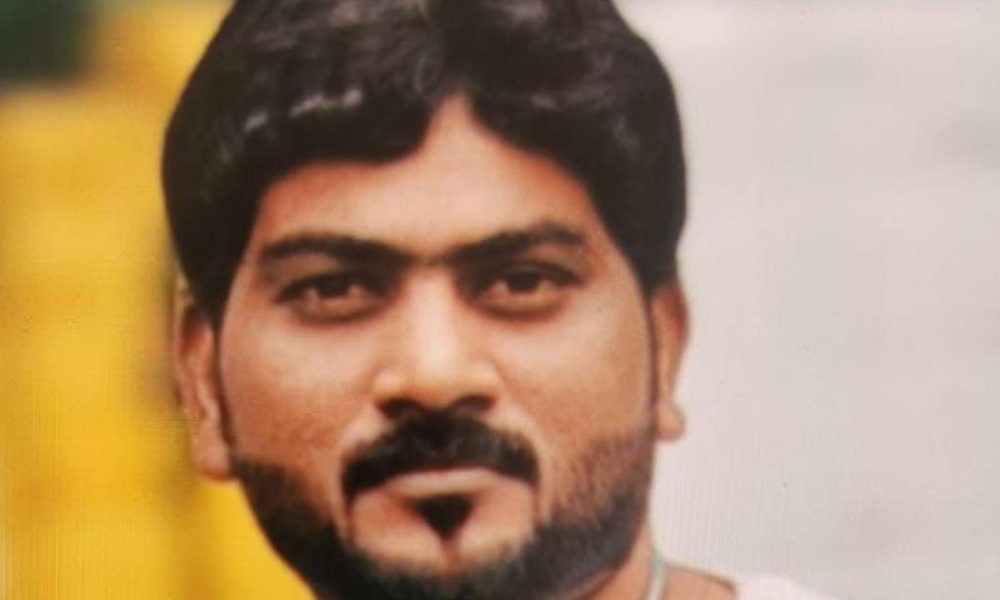
In a notable legal development, the Karnataka High Court has expressed its disapproval of the West Bengal government’s request for additional time to verify the citizenship documents of a school bus driver, Rafikul Biswas, who is currently detained in Bengaluru. The driver’s immigration status has come under scrutiny after police alleged he might be an undocumented migrant from Bangladesh.
Rafikul Biswas, originally from Nadia district in West Bengal, claims to have been residing in Bengaluru for over seven years along with his family. He has repeatedly asserted that he holds valid documentation proving his Indian citizenship, including a recently issued voter identity card, which was provided during an intensive revision of electoral rolls in Bengal.
Despite his claims, the West Bengal government’s counsel argued that they needed more time to gather fresh instructions regarding Biswas’ situation. The request for a delay comes on the heels of a significant political shift in the state, where the Bharatiya Janata Party (BJP) recently assumed power after defeating the Trinamool Congress in the Assembly elections. This change in governance has raised questions about the stability of citizenship rights, particularly for individuals like Biswas.
During the proceedings, Biswas’ lawyer raised a critical point regarding the implications of political power on citizenship status. He emphasized the dangers of allowing an individual’s citizenship to be contingent upon the ruling party in their state, stating, “Can my citizenship depend on vagaries of who is in power in a particular state? This is extremely dangerous.” His remarks underscore the growing concerns about the legal and social ramifications of citizenship verification processes in India.
The case highlights a broader issue of citizenship rights, particularly in light of the contentious discussions surrounding undocumented migrants in India. The High Court’s involvement underscores the judiciary’s role in safeguarding individual rights amid shifting political landscapes. As the situation unfolds, it remains to be seen how the West Bengal government will respond and what implications it may have for Biswas and others in similar circumstances.
Source: scroll.in






No Comment! Be the first one.