

Madhya Pradesh UCC Panel Proposes Exclusion of Adivasis from New Civil Code
A committee established to formulate a Uniform Civil Code (UCC) for Madhya Pradesh, under the governance of the Bharatiya Janata Party (BJP), has suggested that Adivasis be excluded from the proposed...

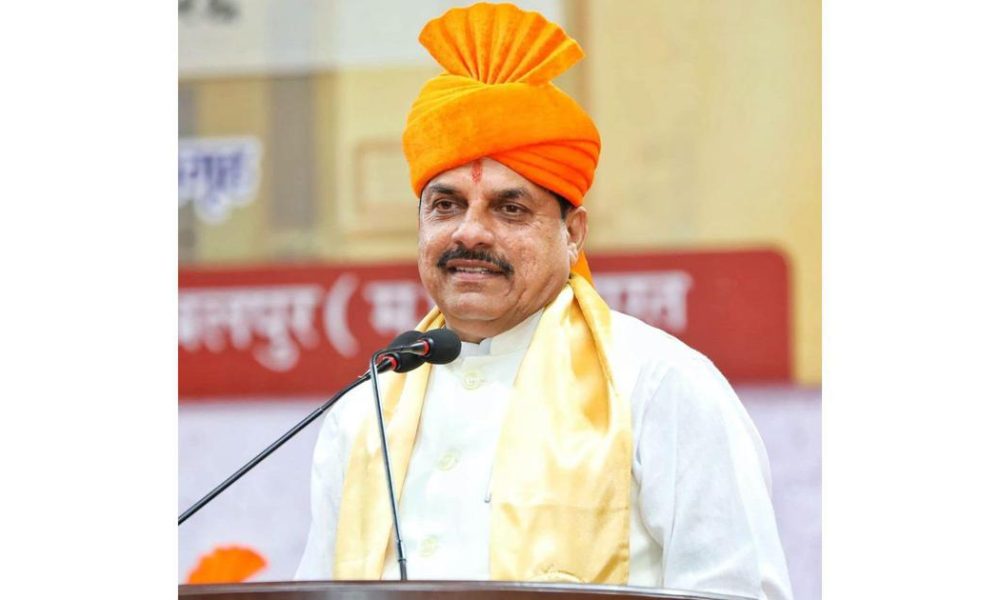
A committee established to formulate a Uniform Civil Code (UCC) for Madhya Pradesh, under the governance of the Bharatiya Janata Party (BJP), has suggested that Adivasis be excluded from the proposed legislation. This recommendation is significant as the UCC aims to provide uniform laws related to marriage, divorce, inheritance, and adoption across all citizens, currently governed by community-specific regulations that stem from various religious doctrines.
The multi-member committee, led by retired Supreme Court judge Ranjana Prakash Desai, submitted its findings to Chief Minister Mohan Yadav on Monday. The report has since been forwarded to the law department for further evaluation. Desai notably has a track record of leading similar initiatives in other states, having previously overseen the drafting of UCCs for both Uttarakhand and Gujarat. Recently, the Maharashtra government appointed her to head a committee for a UCC in their state as well.
The legislative framework for UCC is expected to come under scrutiny by the Madhya Pradesh Cabinet, following which a bill could be introduced during the upcoming Monsoon Session of the state assembly, scheduled to commence on July 20. The committee was mandated to examine existing laws concerning personal matters such as marriage, divorce, maintenance, inheritance, adoption, and live-in relationships, crafting a draft that reflects the unique social, cultural, and economic fabric of Madhya Pradesh.
In its report, the committee has suggested the exclusion of Scheduled Tribes from the purview of the UCC, citing the need to respect existing customs and practices among Adivasi communities. The Adivasi population in Madhya Pradesh has a rich cultural heritage and specific communal practices that differ from mainstream societal norms, raising questions about how a uniform code could potentially disrupt these traditions.
The ongoing discourse around the Uniform Civil Code in India is gaining momentum as various states begin to consider similar measures. Proponents of the UCC argue that it will promote gender equality and social justice by standardizing personal laws across communities. However, critics warn that a one-size-fits-all approach may overlook the complexities of India’s diverse society and could infringe upon the rights of marginalized groups, particularly Adivasis in this instance.
Source: scroll.in







No Comment! Be the first one.