

The Untold Influence of Sister Nivedita on Jagadish Chandra Bose’s Scientific Journey
In the late 19th century, India witnessed a fascinating confluence of science and spirituality through the lives of Jagadish Chandra Bose and Sister Nivedita. A prominent Bengali scientist, Bose is...

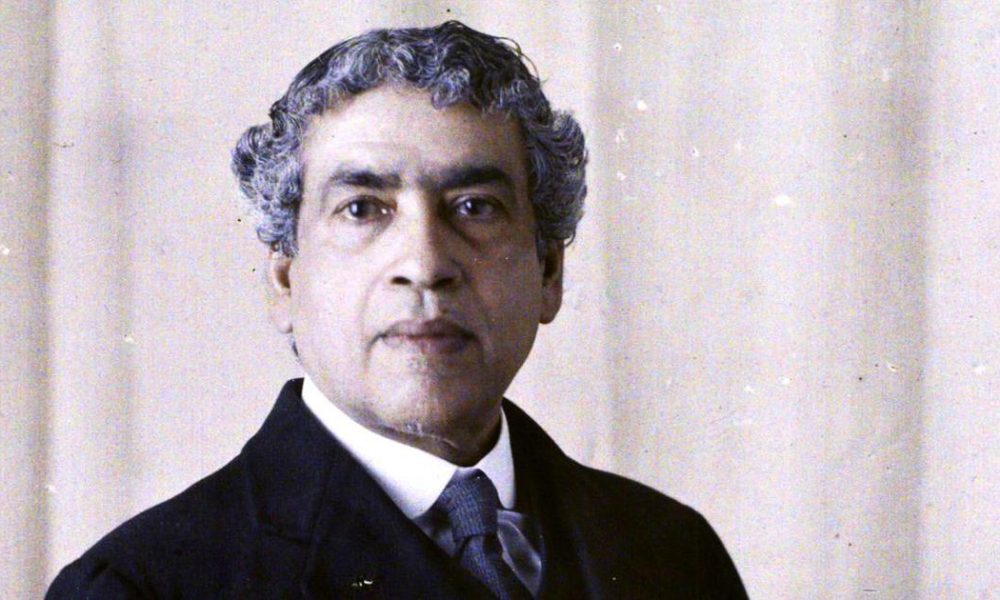
In the late 19th century, India witnessed a fascinating confluence of science and spirituality through the lives of Jagadish Chandra Bose and Sister Nivedita. A prominent Bengali scientist, Bose is often lauded for his groundbreaking contributions to botany and physics. However, the story of his friendship with Nivedita, an Irishwoman deeply influenced by Swami Vivekananda, reveals the complex interplay of encouragement and obstruction that characterized his career.
Margaret Noble, later known as Sister Nivedita, arrived in India in 1898 after having met Vivekananda in London. She became a disciple and was soon initiated into the Ramakrishna Order, marking her as one of the first Western women to join an Indian religious movement. Her journey to India was not merely a quest for spiritual enlightenment; it was also a mission to support the intellectual awakening of the nation. When Nivedita met Bose towards the end of 1898, she found a brilliant mind engaged in scientific discovery yet surrounded by an atmosphere that stifled his potential.
In her observations, Nivedita expressed her horror at how the British authorities and certain individuals within the academic community seemingly conspired to hinder Bose’s work. She noted the isolation Bose experienced, which contrasted starkly with his immense intellect and contributions to science. Nivedita’s commitment to Bose went beyond mere admiration; she became instrumental in facilitating his work, acting as his editorial assistant and providing support in various capacities.
The relationship between Bose and Nivedita underscores a significant chapter in the history of Indian science. While Bose is often celebrated for his pioneering experiments in radio technology, his scientific endeavors were also shaped by the socio-political climate of the time. Nivedita’s role can be viewed as a beacon of encouragement amidst the challenging circumstances that Bose faced. Her insights into the systemic barriers present during that era add a layer of depth to our understanding of Bose’s achievements.
Despite Nivedita’s ardent support, the complexities of their collaboration highlight a broader narrative about the struggles faced by intellectuals in colonial India. This duality of support and obstruction is a reminder of the challenges that many Indian scientists and scholars had to navigate during British rule. The story of Bose and Nivedita invites reflection on the interplay of various influences—cultural, political, and personal—that shape scientific progress.
Source: scroll.in







No Comment! Be the first one.