

Supreme Court Overturns Foreigners’ Declaration, Stays Cow Slaughter Ban in Tamil Nadu
The Supreme Court of India has recently reversed the Gauhati High Court’s verdict that categorized 27 individuals as ‘foreigners.’ In a significant ruling, the bench has instructed...

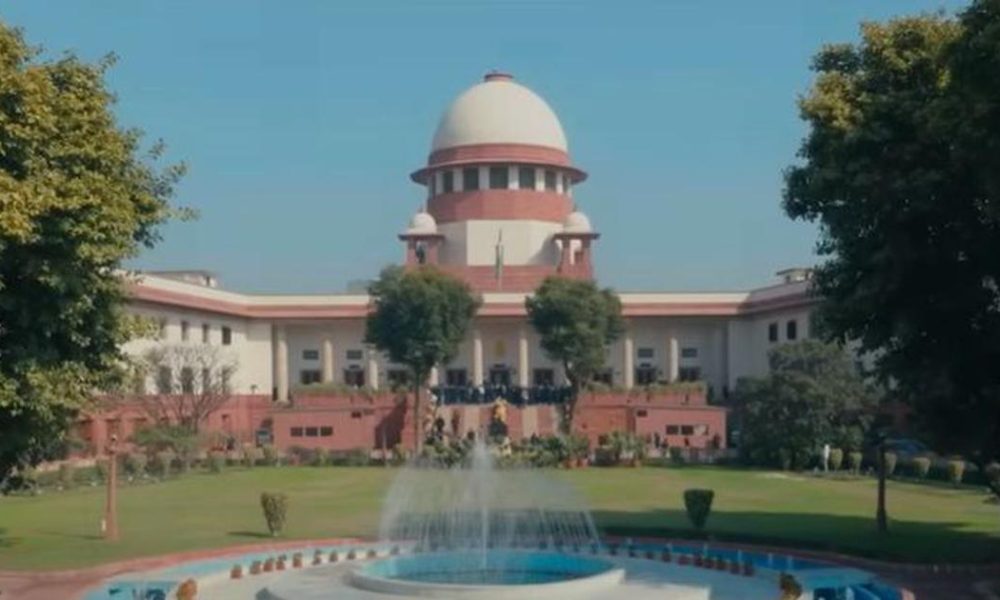
The Supreme Court of India has recently reversed the Gauhati High Court’s verdict that categorized 27 individuals as ‘foreigners.’ In a significant ruling, the bench has instructed that these cases be sent back to the foreigners’ tribunals for thorough re-evaluation. This decision underscores the importance of a ‘fair, lawful, and reasonable’ process when determining an individual’s citizenship, acknowledging the constitutional weight of such matters.
The High Court had previously pointed out that the appellants failed to contest the tribunals’ decisions for almost 23 years. However, the Supreme Court emphasized that everyone must be given a fair opportunity to prove their Indian citizenship. While affirming the necessity of this opportunity, the court also cautioned against extending the process into an indefinite timeline, thereby seeking a balance between justice and efficiency.
In a separate but equally significant development, both Hindu and Muslim factions involved in the long-standing disputes over the Gyanvapi mosque in Varanasi, the Shahi Idgah mosque in Mathura, and the Shahi Jama Masjid in Sambhal have turned down the Supreme Court’s proposal for mediation. Despite the court’s efforts to facilitate dialogue under the newly initiated 2026 Supreme Court Action for Mediated Adjudication and Disputes Harmonization Across Nation Samadhan Samaroh, the litigants have opted to pursue their cases through traditional court channels.
These disputes have gained considerable attention as Hindutva organizations argue that the mosques in question were originally Hindu temples. The Supreme Court’s mediation initiative, which started in April and aims to conclude with a Special Lok Adalat session in August, was designed to encourage resolution through dialogue rather than litigation. However, the refusal of both parties to engage in this mediation indicates the complexities and deep-rooted emotions associated with these historical and religious conflicts.
In another notable action, the Supreme Court has placed a stay on the enforcement of the cow slaughter ban in Tamil Nadu. This decision has sparked discussions surrounding animal rights, cultural practices, and the political implications of such legislation in a diverse nation like India. As these cases unfold, they highlight the intricate balance the Indian judiciary seeks to maintain in upholding constitutional rights while addressing sensitive socio-political issues.
Source: scroll.in







No Comment! Be the first one.