

India-US Trade Agreement Stalled: What’s Behind the Delay?
In recent weeks, the anticipated bilateral trade agreement between India and the United States appeared to be on the verge of finalization. Trade Representative Jamieson Greer visited New Delhi, and...

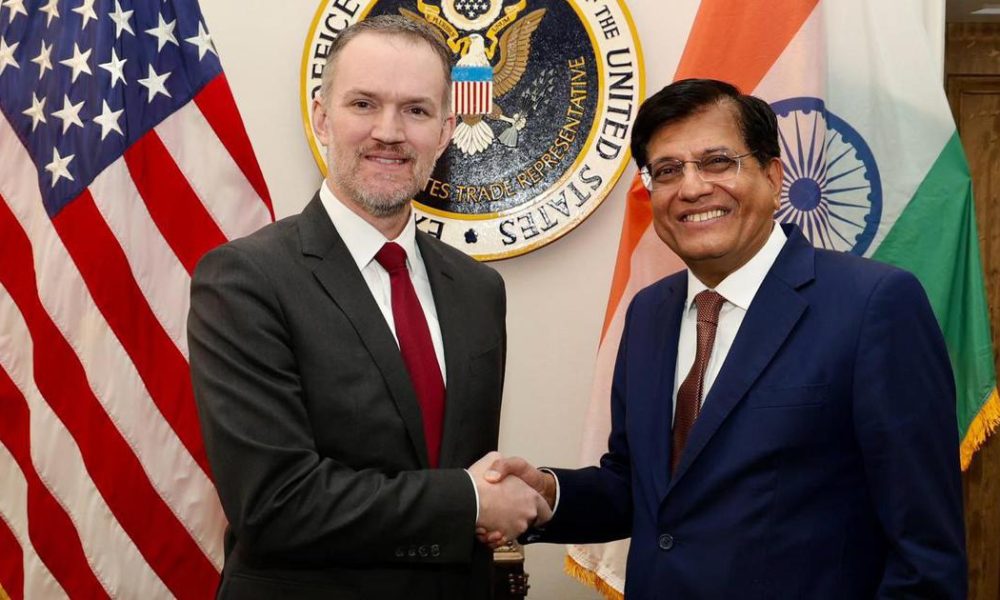
In recent weeks, the anticipated bilateral trade agreement between India and the United States appeared to be on the verge of finalization. Trade Representative Jamieson Greer visited New Delhi, and both nations publicly stated that 99% of the deal was complete. However, following Greer’s visit, the Indian government unexpectedly retracted its commitment to the agreement.
Commerce Minister Piyush Goyal clarified the Indian government’s stance, asserting that the trade deal would remain in limbo until the United States provides India with a “competitive advantage” over countries such as Vietnam, Thailand, the Philippines, Indonesia, Malaysia, China, Bangladesh, Sri Lanka, and others in the region. This sudden change in position is particularly striking, given India’s sustained interest in finalizing the deal with its second-largest trading partner.
The negotiations for this bilateral trade pact began in early 2025, spurred by a political endorsement from the leaders of both countries. They initiated the ambitious “Mission 500,” aiming to double total trade to $500 billion by 2030. The trade agreement was expected to serve as a significant catalyst for this target. Initially, both sides aspired to finalize the first phase of this wide-ranging trade deal by Fall 2025, a timeline that now appears overly optimistic.
Two main factors contribute to the current impasse. First, the “America First” trade policy, championed by former President Donald Trump, emphasized bilateral negotiations that favored American interests. This policy framework has created a complex dynamic, making it crucial for India to secure terms that do not disadvantage it in comparison to other nations negotiating with the U.S. Secondly, India’s quest for competitive parity underscores its strategic positioning in the global trade landscape, especially as it faces increasing competition from its neighbors.
As both countries reassess their strategies, the future of this bilateral trade agreement remains uncertain. The potential benefits of a comprehensive trade deal are considerable, not just for India and the U.S., but for the broader economic landscape in the Asia-Pacific region. The ongoing discussions reflect more than mere trade figures; they embody the intricate interplay of diplomacy, economic strategy, and geopolitical considerations that define India-U.S. relations in the current era.
Source: scroll.in







No Comment! Be the first one.