

Exploring Themes of Hypocrisy and Poverty in Contemporary Indian Poetry
Indian poetry has long served as a mirror reflecting societal hypocrisy and the stark realities of poverty that many face. The recent works of various poets delve deep into these themes, weaving...

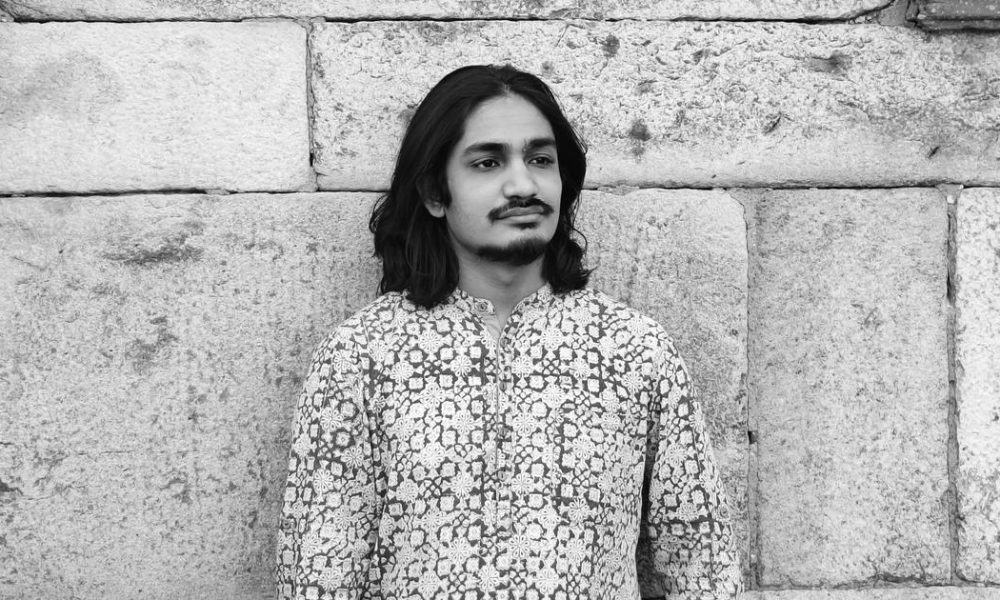
Indian poetry has long served as a mirror reflecting societal hypocrisy and the stark realities of poverty that many face. The recent works of various poets delve deep into these themes, weaving narratives that challenge the listener to confront uncomfortable truths. The poems evoke a dialogue around the societal constructs of love, gender, and caste, revealing the layers of complexity that often go unnoticed in daily life.
One poignant question raised in these verses is the nature of love itself. The poet addresses historical figures like Shakespeare, questioning why he expressed affection for both men and women, particularly in a time when such sentiments were frowned upon. This inquiry invites readers to ponder the constraints imposed by society and the legal frameworks that govern personal relationships. The poet challenges the concept of love as a universal language, revealing how societal norms can distort its expression.
Tragically, the poems also highlight the cycle of violence faced by women, particularly those from marginalized communities. The stark repetition of the phrase “another dalit girl has been raped” underscores a grim reality in Indian society, where the media and law enforcement often fail to respond adequately. This repetitive structure serves as a powerful indictment of a system that allows such atrocities to become mere statistics, further entrenching societal apathy towards these incidents.
In another layer of irony, the poet speaks of love as a language that is increasingly disappearing, suffocated by the mediocrity of imitation and a lack of genuine expression. The metaphor of a language on its deathbed poignantly reflects the struggles of those yearning for authentic connection in an age dominated by superficial interactions. The poet’s lament that they will not be present to see the language they ‘killed’ speaks volumes about the personal and collective losses experienced in the search for true expression.
Furthermore, the exploration of material struggles is vividly illustrated through imagery of poverty, as illustrated by the poet’s experience of purchasing a fish that costs the equivalent of two days’ wages. This vivid comparison serves as a critique of the economic disparities that plague daily life in India. The poet’s reflection on families engrossed in their devices while sharing a meal emphasizes a disconnect that is increasingly prevalent in modern society.
In essence, contemporary Indian poetry emerges as a powerful medium for articulating the struggles against hypocrisy and poverty. It invites readers to engage with difficult subjects, urging them to reflect on their societal roles. Through its evocative language and poignant themes, this poetry serves not only as a form of artistic expression but also as a call to action for a more compassionate society.
Source: scroll.in






No Comment! Be the first one.