

Exploring India’s Culinary Heritage: The Comfort of Khichdi and Beyond
In the realm of Indian cuisine, few dishes offer the comforting embrace that khichdi does. This humble meal, often associated with warmth and recovery, is not merely a dish but a tradition that dates...

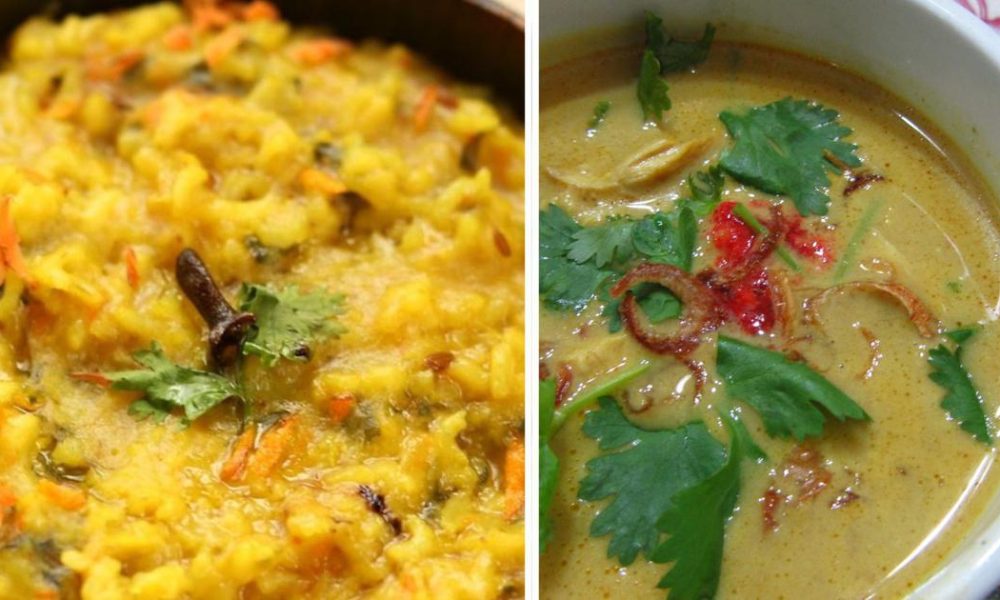
In the realm of Indian cuisine, few dishes offer the comforting embrace that khichdi does. This humble meal, often associated with warmth and recovery, is not merely a dish but a tradition that dates back over three millennia. While some may picture a lavish version prepared in the royal kitchens of Emperor Akbar, the true essence of khichdi lies in its simplicity and health benefits, adhering closely to Ayurvedic principles.
The Ayurvedic rendition of khichdi consists of rice and lentils, prepared with a modest amount of ghee and a selection of spices. It embodies a wholesome dish that provides nourishment without overwhelming the digestive system. This dish has been described by ancient scholars, including Chanakya, who offered a specific recipe that entails precise measurements of rice, lentils, salt, and ghee. However, the exact amount of water remains a delightful mystery, adding to the adaptability of the dish.
Khichdi, known as ‘khicca’ in Sanskrit, has been a staple in Indian households since the dawn of Ayurveda, which emphasizes balance and wellness in food. Its simplicity allows it to be easily digestible, making it a go-to meal for those recovering from illness or seeking comfort during cold weather. The dish’s rich history is highlighted by the accounts of the 14th-century Moroccan traveler Ibn Battuta, who noted its popularity among the locals in India, referring to it as ‘kishri.’
Beyond khichdi, India has bestowed a plethora of culinary treasures upon the world. Dishes like mulligatawny soup, which features a delightful blend of spices and lentils, showcase the country’s diverse flavors and cooking techniques. This soup, originally from South India, has been adopted globally, often served as a fusion dish in various international cuisines.
As we celebrate these culinary gifts, it is essential to recognize the cultural significance behind each dish. Food in India is not just sustenance; it is a celebration of life, a means of bonding families and communities. Traditional meals like khichdi carry stories, memories, and an understanding of the rich tapestry of Indian heritage. The global appreciation for these dishes serves as a reminder of the deep-rooted connections between food, culture, and identity.
Source: scroll.in







No Comment! Be the first one.