

Public Outrage and Its Selectivity: A Deep Dive into Custodial Deaths in India
The tragic deaths of a father-son duo, Jeyaraj (59) and Bennicks (31), in June 2020 during the COVID-19 lockdown have sparked a significant conversation about custodial violence in India. Taken into...

The tragic deaths of a father-son duo, Jeyaraj (59) and Bennicks (31), in June 2020 during the COVID-19 lockdown have sparked a significant conversation about custodial violence in India. Taken into custody by the police in Madurai for allegedly breaching lockdown protocols, their gruesome deaths after two days of torture in Sathankulam highlighted a deeply troubling aspect of law enforcement practices in the country.
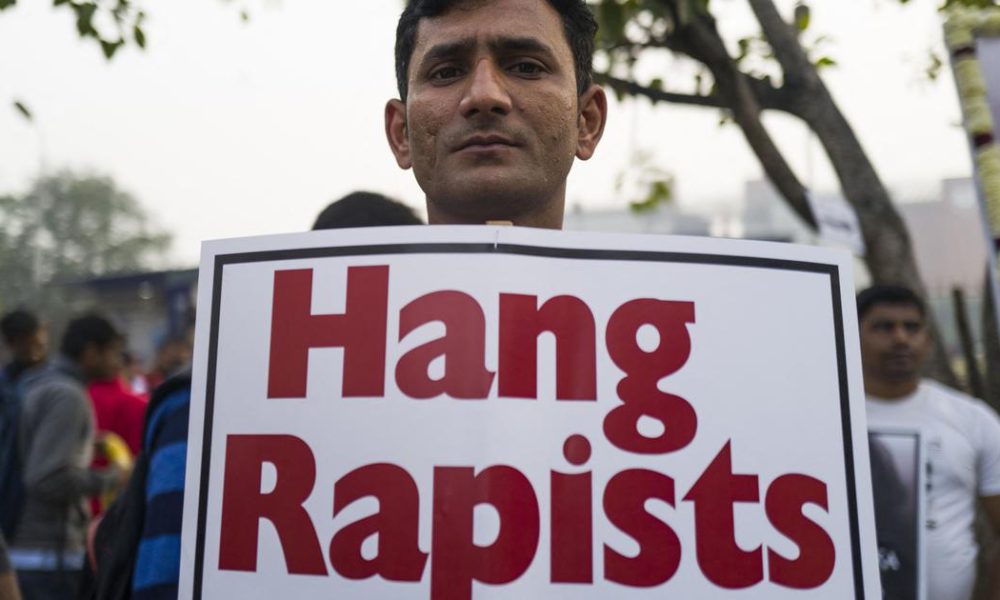
Public protests erupted across the nation, fueled by social media outrage, showcasing a rare moment when the public reacted vehemently against state violence. This incident underscored a reality often ignored: custodial deaths in India are frequent and largely met with indifference. In a stark contrast, the Telangana Police’s extrajudicial killings of four accused rapists and murderers in December 2019 were met with widespread approval, demonstrating a troubling double standard in societal responses to state-sanctioned violence.
While the Sathankulam case generated substantial public attention and ultimately led to the Madras High Court taking suo moto cognizance—acting on its own accord without a petition—the broader issue of custodial violence remains largely unchecked. The court’s intervention ensured a swift investigation, culminating in a trial that concluded in March 2026. However, this rapid legal response is an exception rather than the rule, as many custodial death cases languish indefinitely in the judicial system.
The disparity in public outrage reflects a concerning trend where only certain cases receive widespread condemnation, often dictated by media attention and societal interest. The deaths of Jeyaraj and Bennicks disrupted the usual apathy that surrounds custodial violence, revealing a need for consistent public engagement and accountability mechanisms for law enforcement. The varying degrees of public response signal that accountability for state violence is often selective, raising questions about the effectiveness of civil society in demanding justice.
As India grapples with the complexities of law enforcement, it becomes imperative to foster a culture of accountability that transcends sporadic outrage. The need for systemic reforms within the police force is crucial to ensure that incidents of custodial deaths are addressed with the seriousness they warrant, and that justice is not just a privilege of particular cases but a fundamental right for all citizens.
Source: scroll.in







No Comment! Be the first one.