

The Dalai Lama’s Encounter with Mao Zedong: A Pivotal Moment for Tibet in 1955
In the spring of 1955, a significant moment unfolded in the life of the Dalai Lama that would ultimately shape the future of Tibet. Just before his scheduled return to Tibet from China, he found...

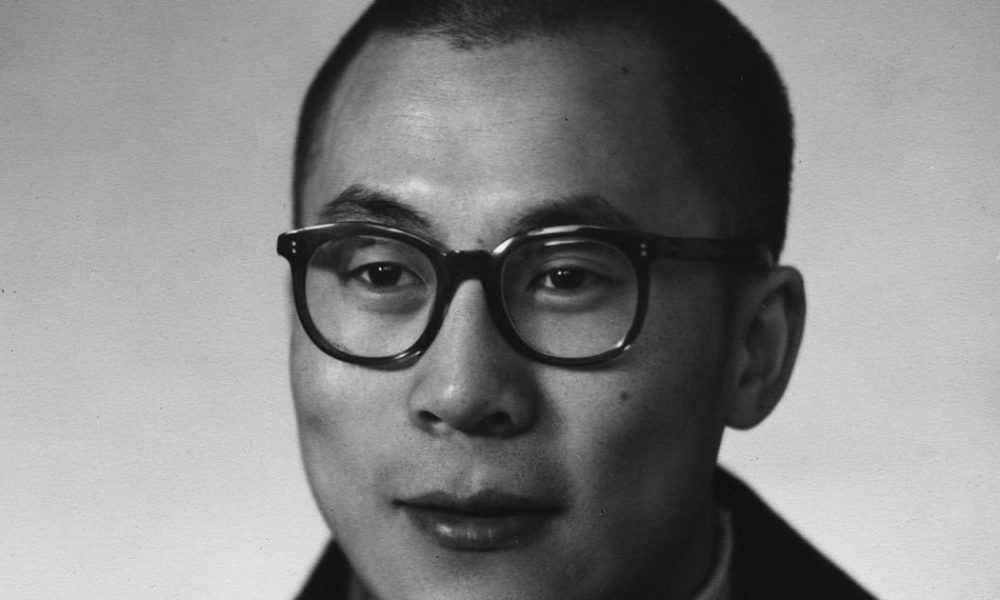
In the spring of 1955, a significant moment unfolded in the life of the Dalai Lama that would ultimately shape the future of Tibet. Just before his scheduled return to Tibet from China, he found himself attending a meeting of the Steering Committee. While Lu Rau-chi, the official leading the meeting, was in the midst of his speech, the Dalai Lama’s security officer unexpectedly entered the room with an urgent message. “Chairman Mao wants to see you immediately. He is waiting,” the officer announced.
The abruptness of the request caught the Dalai Lama off guard. He was aware that he couldn’t disrupt the ongoing meeting, especially since Lu Rau-chi showed no inclination to stop speaking. In response, he calmly suggested to the officer, “You will have to go and ask him to excuse me.” The officer promptly complied, allowing the Dalai Lama to make his way to Mao Zedong’s office.
Upon arrival, the Dalai Lama was met by Mao, who shared his desire to impart some crucial advice concerning governance before the spiritual leader departed for his homeland. During their discussion, Mao elaborated on how to effectively organize meetings, solicit feedback from the public, and prioritize key issues. The Dalai Lama, known for his meticulous nature, listened attentively and took notes, eager to absorb the wisdom of the Chinese leader.
Mao emphasized the importance of communication as a cornerstone for any form of progress, whether material or spiritual. This advice resonated deeply with the Dalai Lama, who recognized the implications it held not just for governance but for the future of Tibet as well. The meeting was more than just a passing advisory session; it highlighted the intricate relationship between the political landscape of China and the Tibetan leadership during a period marked by tension and uncertainty.
This encounter with Mao Zedong would later serve as a stark reminder of the complexities facing Tibet. The Dalai Lama’s return was not just a homecoming; it was a journey back to a nation at risk of losing its autonomy amidst the growing influence of Chinese policies. The lessons from Mao would linger in his mind as they shaped his approach to leadership in turbulent times.
Source: scroll.in





No Comment! Be the first one.