

Exploring Freud’s Legacy: The Impact of ‘The Interpretation of Dreams’ on Psychoanalysis
In the late 19th century, Sigmund Freud presented a groundbreaking work titled The Interpretation of Dreams, which was published at the close of 1899. This seminal text is often regarded as the...

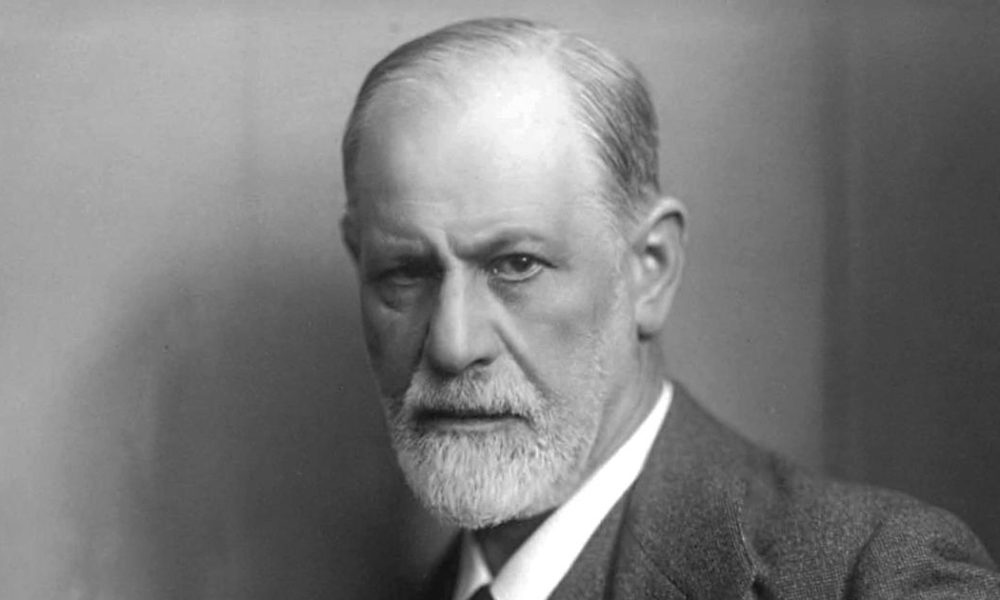
In the late 19th century, Sigmund Freud presented a groundbreaking work titled The Interpretation of Dreams, which was published at the close of 1899. This seminal text is often regarded as the cornerstone of psychoanalysis, a field that Freud himself believed encapsulated some of his most significant discoveries. He described the book as containing ‘the most valuable of all the discoveries it has been my good fortune to make,’ underscoring its critical role in his oeuvre.
The Pelican Freud Library, launched in 1973, made Freud’s writings accessible to a broader audience, particularly students interested in the intricacies of psychoanalysis. The colorful editions of these seminal texts not only adorned bookshelves but also ignited intellectual curiosity among generations. However, the relevance of psychoanalysis has seen a decline in the academic landscape, as contemporary readers often prioritize different areas of study.
Joyce Crick’s 1999 translation of Freud’s influential work has recently found a new home in the Oxford World Classics series, a testament to its enduring significance as a literary and intellectual masterpiece. Beyond its focus on dreams, Freud’s book introduced a transformative perspective on the human psyche, which resonated throughout the 20th century and continues to inform our understanding of mental health, therapy, and the complexities of human nature.
Freud begins his exploration with a comprehensive analysis of dream theories from antiquity through to contemporary psychologists, examining how these ideas evolved over time. His insights paved the way for a new framework that encompasses not just the interpretation of dreams but also the larger mechanisms of the unconscious mind. Despite a perceived decline in the popularity of psychoanalysis in English-speaking countries, the core concepts introduced by Freud remain influential, shaping modern approaches to mental health and therapeutic practices.
In the Indian context, the relevance of psychoanalysis can be observed through the growing interest in mental health awareness and the incorporation of therapeutic practices that draw upon Freud’s theories. As society progresses, understanding the layers of the human mind rooted in psychoanalytic principles is vital, particularly in addressing mental health issues that are often stigmatized. Freud’s work remains a crucial reference point for those seeking to navigate the complexities of mental well-being today.
Source: scroll.in







No Comment! Be the first one.