

India’s Impact on America’s Fight for Independence: A Historical Perspective
As the United States celebrates the 250th anniversary of its Declaration of Independence on July 4, it presents a unique opportunity to examine the underlying factors that propelled the American...

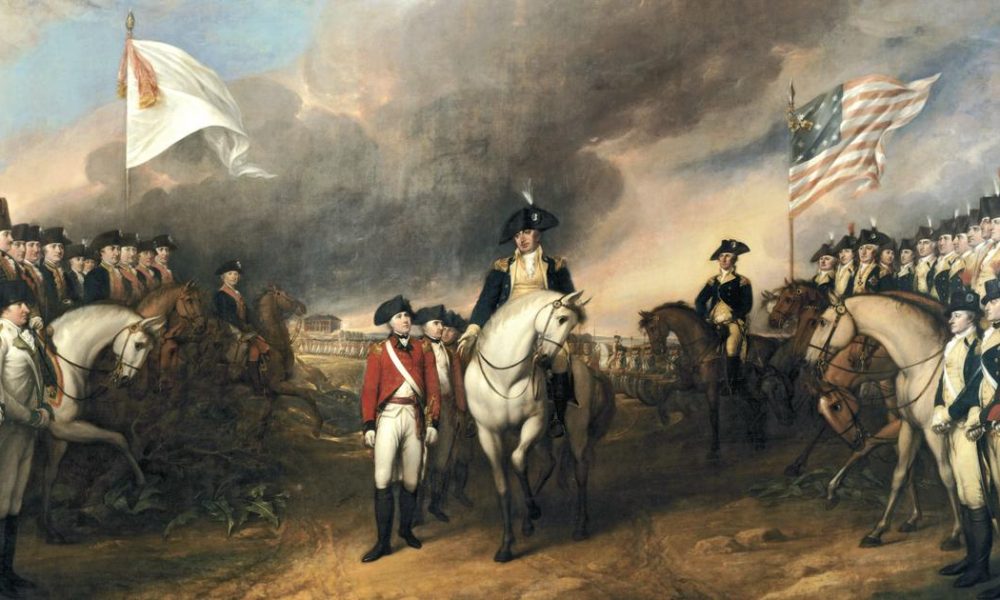
As the United States celebrates the 250th anniversary of its Declaration of Independence on July 4, it presents a unique opportunity to examine the underlying factors that propelled the American colonies to revolt against British rule. While the narrative typically centers around colonial grievances and the revolutionary spirit, an intriguing connection emerges when we consider the influence of India on the American Revolutionary War.
The conflict began in April 1775, marking the start of what would evolve into a lengthy struggle known as the Revolutionary War. Despite being outnumbered and facing a well-equipped British military, the American colonists managed to secure a pivotal victory in the early stages of the conflict. This initial triumph set the tone for the protracted battle that would follow, where neither side could claim a definitive advantage for several years.
However, a significant turning point occurred in 1781, leading many to ponder what contributed to this shift in momentum. To unravel this mystery, one must look beyond the American borders to a battle occurring thousands of miles away in India. During this time, the British East India Company, acting as an extension of the British government, was deeply embroiled in the Second Anglo-Mysore War. This conflict originated from Britain’s aggressive actions, including the seizure of a French-controlled port at Mahé, located on the Malabar Coast.
The implications of the British engagements in India were far-reaching. Resources and military attention were diverted to sustain their operations against Indian rulers, which inadvertently weakened their capacity to manage the American colonies effectively. The colonists, aware of British challenges overseas, harnessed this moment to galvanize their resistance, drawing inspiration from the global struggle against colonial oppression.
Thus, as we reflect on the American Revolution, it is crucial to acknowledge the interconnectedness of global events during that period. India’s role in diluting British strength not only provided a strategic advantage to the American rebels but also highlighted the broader trend of colonial powers facing resistance on multiple fronts. As both nations commemorate their respective histories, the shared legacy of fighting for autonomy resonates deeply, reminding us of the intertwined fates of countries in their quest for freedom.
Source: scroll.in







No Comment! Be the first one.