

SPECIAL FEATURE | The Photograph That Made the World Weep: A Vulture, a Starving Child, and a Photographer Haunted for Life
A single photograph. No words. No dialogue. Yet it shook the conscience of millions across the globe. Few images in the history of journalism have become such powerful symbols of human suffering...

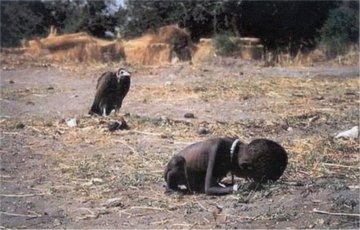
A single photograph. No words. No dialogue. Yet it shook the conscience of millions across the globe. Few images in the history of journalism have become such powerful symbols of human suffering while simultaneously raising profound ethical questions and reflecting the personal tragedy of the photographer behind the lens.
It was March 1993. Sudan (now South Sudan) was in the grip of a devastating famine. Thousands of people were struggling to survive without food. South African photojournalist Kevin Carter had travelled there to document the humanitarian crisis.
There, he witnessed a scene that would later become one of the most controversial and widely discussed photographs in history.
The Image That Changed the World’s Perspective
The photograph shows a severely malnourished child who had collapsed while trying to reach a United Nations feeding centre. A vulture stands a short distance behind, creating one of the most haunting images ever captured.
When the photograph was published in The New York Times on 26 March 1993, it sent shockwaves around the world. For millions, it brought the horrifying reality of famine in Africa into sharp focus. The image drew unprecedented international attention to the humanitarian crisis and inspired increased public support for relief efforts.
A Question Bigger Than the Photograph
After its publication, thousands of readers asked the same question:
“Was the child saved?”
The photograph also ignited an ethical debate that continues to this day. What is a journalist’s responsibility? To document history as it unfolds, or to put down the camera and help someone in immediate danger?
Later reports stated that Kevin Carter chased the vulture away after taking the photograph. However, the child’s immediate fate remained uncertain at that time.
A Pulitzer Prize, But No Peace
In 1994, Kevin Carter received the Pulitzer Prize for Feature Photography, one of journalism’s highest honours, for the unforgettable image.
But along with worldwide recognition came relentless criticism. Many accused him of choosing to take the picture instead of helping the child. Colleagues later argued that the reality was far more complex than public perception suggested.
Years of witnessing famine, violence, and death left deep emotional scars on Carter.
A Tragic Ending Just Four Months Later
Only four months after winning the Pulitzer Prize, Kevin Carter died by suicide on 27 July 1994, at the age of just 33.
His death sparked global discussions about the psychological burden carried by journalists and photographers who repeatedly witness war, famine, and human tragedy.
The Identity of the Child
For many years, people around the world believed the child in the photograph was a girl. Later investigations identified the child as a boy named Kong Nyong.
According to his family, he survived the immediate famine after reaching the feeding centre. He later died around 2007 from an illness unrelated to the events captured in the photograph.
Why Does This Photograph Still Matter Today?
More than three decades later, the image remains a central subject in discussions on journalism, media ethics, and humanitarian responsibility.
It is not merely a photograph about hunger. It forces humanity to confront an enduring question: Is witnessing suffering enough, or does true responsibility begin when we choose to help?
Final Word
Kevin Carter’s camera immortalized a single moment in history. Yet that moment represents far more than a famine. It reminds us that behind every photograph lies a real human life, an unfinished story, and questions that the world continues to grapple with even today.






No Comment! Be the first one.