

China Cautions India and Japan: New Partnership Shouldn’t Target Beijing
In a significant diplomatic response, China has expressed concerns regarding the newly forged agreements between India and Japan aimed at enhancing supply chains and energy security. Following a...

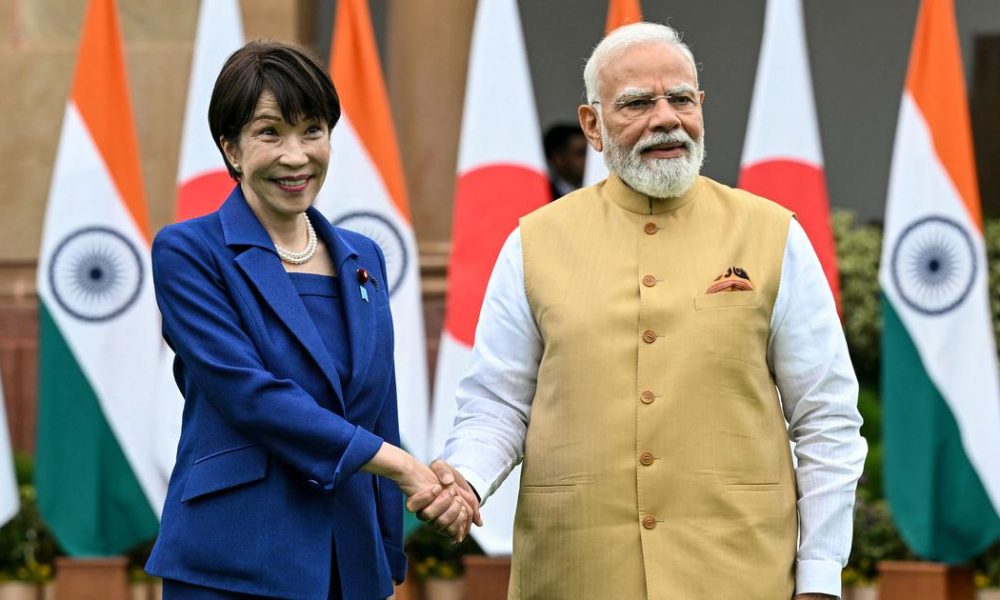
In a significant diplomatic response, China has expressed concerns regarding the newly forged agreements between India and Japan aimed at enhancing supply chains and energy security. Following a high-level meeting between Indian Prime Minister Narendra Modi and Japanese leader Sanae Takaichi, China’s Foreign Ministry spokesperson Guo Jiakun emphasized that the collaboration should not be directed against Beijing. The remarks, reported by AFP, highlight China’s apprehensions about regional dynamics as alliances evolve.
During a three-day visit to New Delhi, Takaichi and Modi discussed various strategies to fortify their respective nations’ supply chains, particularly in critical minerals. These discussions come amid escalating tensions between Japan and China, with Takaichi’s previous statements hinting at Japan’s willingness to intervene militarily in Taiwan’s defense if necessary. This position has provoked a strong reaction from Beijing, which considers Taiwan a breakaway province.
Guo Jiakun stated, “Nations should strive to build mutual understanding and trust” and cautioned against any cooperation that might undermine the interests of other countries. He asserted that partnerships should not serve as a basis for forming exclusive groups or inciting conflicts. This statement underscores China’s desire for stability in the region while also attempting to guard against perceived threats from the burgeoning Indo-Japanese alliance.
The backdrop of these developments is marked by Japan’s strengthening ties with India, particularly as both nations navigate a landscape characterized by China’s assertive policies and economic practices that some describe as aggressive. Takaichi noted the challenges posed by the “weaponization of the economy” and non-market tactics, which have been at the forefront of Japan’s concerns regarding its own economic engagement with China.
As the relationship between Tokyo and Beijing continues to fray, Japan’s strategic orientation towards India becomes increasingly pivotal. The recent agreements between India and Japan not only aim to bolster economic resilience but also signal a potential shift in the regional power dynamics, particularly in response to China’s growing influence. With both nations pledging closer cooperation, the future implications for regional security and economic collaboration will be closely monitored by observers across the globe.
Source: scroll.in







No Comment! Be the first one.