

Chhattisgarh High Court Rules Against Mandatory Hindu Prayers in Government Schools
The Chhattisgarh High Court issued a significant ruling on Thursday, stating that students in government schools cannot be forced to recite Hindu prayers. This decision came as a response to a...

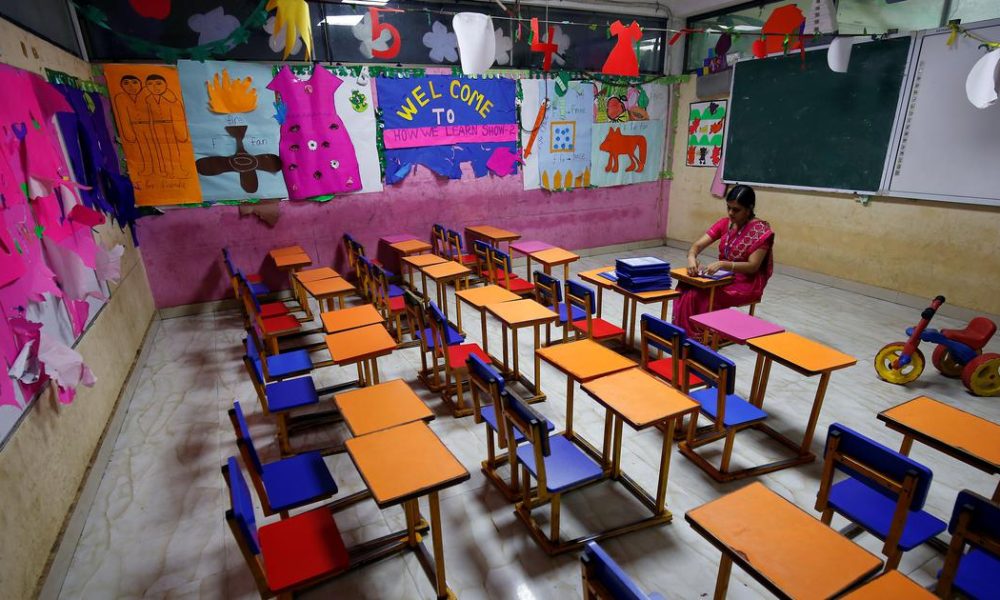
The Chhattisgarh High Court issued a significant ruling on Thursday, stating that students in government schools cannot be forced to recite Hindu prayers. This decision came as a response to a petition that contested a directive issued by the state government on June 12, which required students to participate in daily recitals of various Hindu prayers, including the Saraswati Vandana and Gayatri Mantra.
During the hearing, the court acknowledged the state government’s admission that although the controversial circular was released in June, its implementation had yet to commence. The judges decided to dismiss the petition but allowed the petitioners the option to return to court if any student is coerced into reciting the prayers. The court assured that it would take appropriate actions should such claims arise in the future.
The circular mandated that several prayers and mantras be recited as part of the school’s morning assembly routine, aiming to promote ‘intellectual development and cultural awareness.’ In addition to the Saraswati Vandana and Gayatri Mantra, the guidelines stipulated the recitation of the national anthem and the national song, along with other religious chants before midday meals. This directive has sparked considerable debate regarding the secular nature of education in government institutions.
Abdul Salam Rizvi, the Chairperson of the Chhattisgarh Waqf Board, along with other minority rights activists, expressed concern over the potential imposition of religious practices in schools, arguing that it undermines the right to religious freedom and the secular principles enshrined in the Indian Constitution. The ruling from the High Court has been welcomed by advocates of secular education, emphasizing the need for schools to remain neutral spaces where students from all backgrounds feel comfortable.
This ruling reflects broader tensions in India regarding the intersection of religion and education, particularly in the context of a diverse society. As debates continue over the role of cultural and religious education in schools, this decision serves as a reminder that public institutions must uphold secular values to foster inclusivity and respect for all faiths.
Source: scroll.in







No Comment! Be the first one.