

Rising Heat Forces Delhi’s Underprivileged to Opt for Uncomfortable Synthetic Clothing
In the densely populated suburb of Shahbad Dairy, located in north-west Delhi, the living conditions are far from ideal. Narrow, concrete lanes packed with houses create an environment where trees...

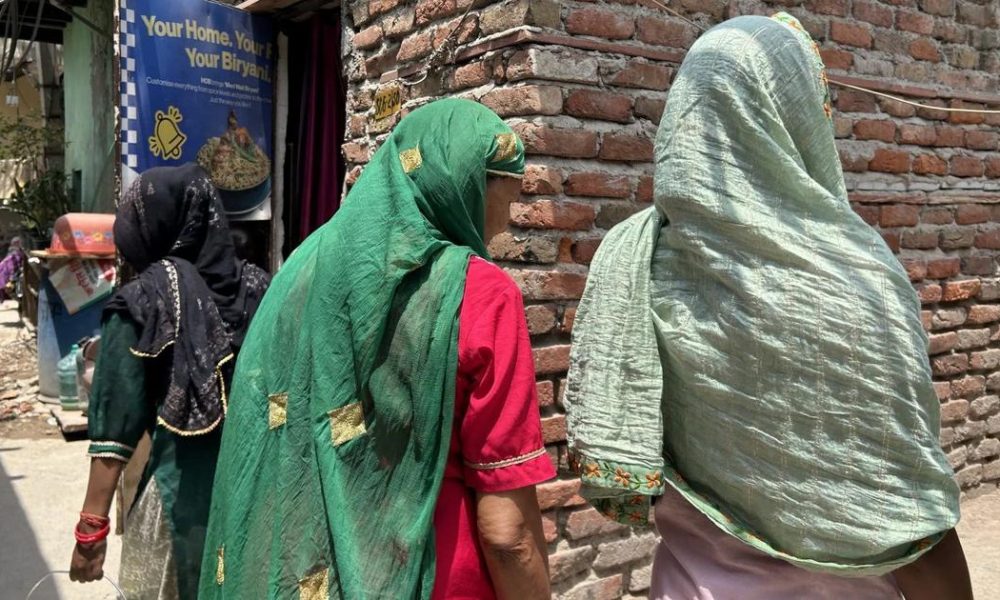
In the densely populated suburb of Shahbad Dairy, located in north-west Delhi, the living conditions are far from ideal. Narrow, concrete lanes packed with houses create an environment where trees are a rarity, and the heat becomes unbearable as the afternoon sun blazes overhead. The local residents, like Poonam and her sister-in-law Ritika, are left with no option but to keep their children indoors, avoiding the scorching outdoor temperatures that soar to 40 degrees Celsius.
Despite being indoors, the heat proves to be stifling. The concrete and tin roofs of their homes trap heat, offering little respite from the sweltering climate. Traditional customs play a significant role in the clothing choices of women like Poonam and Ritika, who find themselves burdened by multiple layers of heavy clothing. Unlike men, who could choose lighter, more breathable garments, these women adhere to traditions that demand modesty, resulting in discomfort as they don garments made from synthetic materials.
Poonam expresses her frustration, stating, “This material makes you sweat more. It does not absorb sweat.” Her ensemble, consisting of a salwar kameez and dupatta—comprising a long tunic, ankle-length trousers, and a scarf worn around the shoulders—illustrates how cultural norms affect daily life, particularly during extreme weather conditions.
As climate change leads to increasingly frequent and severe heatwaves, experts highlight the importance of natural fabrics like cotton and linen as an adaptive measure against the rising temperatures. However, the cost of such materials often places them beyond the reach of low-income families. In a city where economic disparities are stark, many families must make the harsh choice between affordability and comfort.
Shahbad Dairy’s residents are not alone in this struggle. Across various neighborhoods in Delhi, the reliance on synthetic textiles has surged as cotton prices have escalated. This shift toward less breathable materials can exacerbate health issues, particularly during hot spells, as it can lead to skin irritations and heat exhaustion. As climate adaptation strategies continue to be discussed, the importance of affordable access to breathable fabrics is becoming ever more evident.
Source: scroll.in







No Comment! Be the first one.