

Election Commission to Include Demolished Home Residents in Delhi’s Electoral Roll Revision
In a significant development for residents affected by recent demolitions in Delhi, Chief Electoral Officer Ashok Kumar announced on Monday that the Election Commission is set to implement a new...

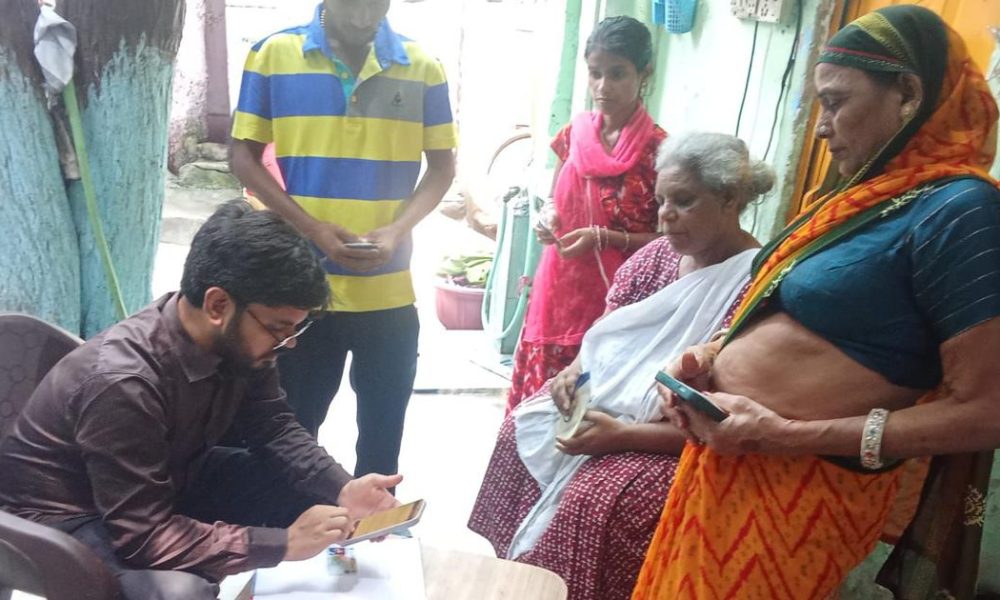
In a significant development for residents affected by recent demolitions in Delhi, Chief Electoral Officer Ashok Kumar announced on Monday that the Election Commission is set to implement a new mechanism. This initiative aims to ensure that voters whose homes have been razed are not omitted from the ongoing special intensive revision of electoral rolls. This announcement was made just a day before the commencement of the door-to-door enumeration process, which is a crucial phase in updating the electoral rolls.
The enumeration drive, which is slated to take place over a month from June 30 to July 29, will not only cover Delhi but also extend to the states of Jharkhand, Karnataka, Maharashtra, and Meghalaya. Highlighting the urgency of the matter, Kumar emphasized the challenges faced by those whose registered addresses have disappeared due to recent demolitions. Many of these individuals may find it difficult to secure alternative proof of residence during the revision period, raising concerns about their ability to participate in the electoral process.
Kumar stated, “We will work out a plan to ensure their inclusion,” indicating a proactive approach by the Election Commission to address this pressing issue. The Chief Electoral Officer also reassured that booth level officers (BLOs) would conduct visits to every registered address, regardless of the current living situation of the elector. This includes locations that might be unconventional, such as makeshift shelters or even temporary residences like those found beneath flyovers.
This initiative underlines the Election Commission’s commitment to inclusivity, ensuring that even the most vulnerable segments of society have their voices heard in the democratic process. As the enumeration process unfolds, it will be crucial for the Commission to balance logistical challenges while being sensitive to the needs of displaced citizens.
As the month-long exercise progresses, stakeholders will be closely monitoring the situations of those affected by the demolitions. The electoral participation of these individuals is vital for a comprehensive representation, and the Commission’s efforts to adapt to their circumstances will be a key focal point in this revision phase. Ultimately, this move reflects a broader recognition of the need to protect the voting rights of all citizens, particularly those who have faced significant upheaval in their lives.
Source: scroll.in







No Comment! Be the first one.