

Mulk Raj Anand and W.E.B. Du Bois: A Historic Encounter of Anti-Imperialist Sentiments
One of the most iconic images from the inaugural Afro-Asian Writers Conference held in Tashkent features two eminent figures standing side by side: Indian novelist Mulk Raj Anand and the venerable...

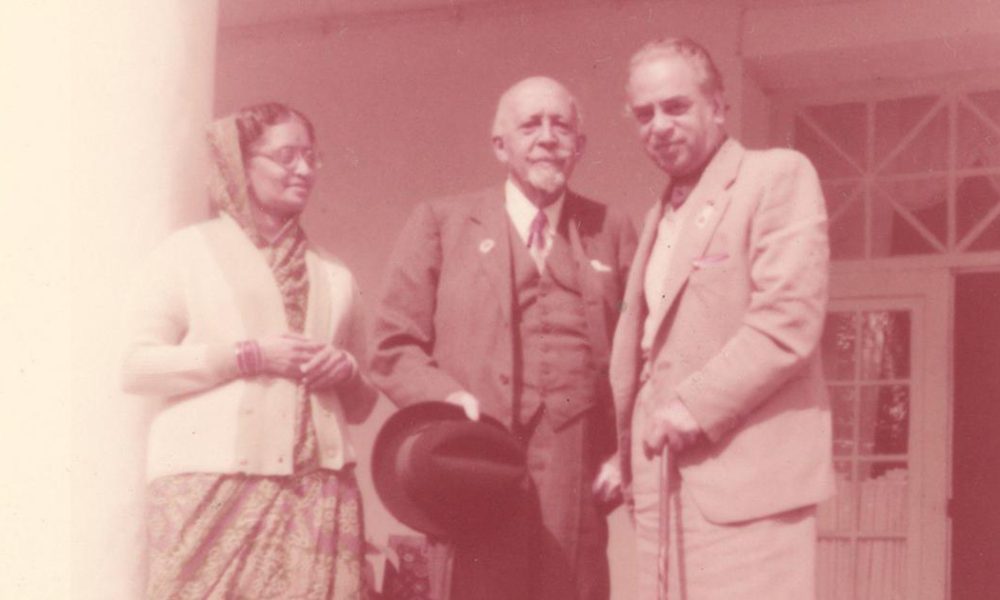
One of the most iconic images from the inaugural Afro-Asian Writers Conference held in Tashkent features two eminent figures standing side by side: Indian novelist Mulk Raj Anand and the venerable W.E.B. Du Bois. Both men are dressed in formal suits and are seen holding walking sticks, a striking portrayal of solidarity between two intellectual giants from vastly different backgrounds. This photograph encapsulates a moment of unity that would have appeared improbable just a few years prior, especially considering the political climate of the time.
W.E.B. Du Bois, aged 90 at the time, was a prominent American scholar and civil rights activist whose life was marked by his staunch opposition to colonialism and racism. His views were often at odds with the U.S. government, particularly during the intensifying Cold War. In 1951, he faced legal challenges, being indicted as an “unregistered agent” of a foreign power. Although he was acquitted, the repercussions were significant; his passport was confiscated, preventing him from attending the pivotal Bandung Conference in 1955, which aimed to foster solidarity among developing nations.
The Bandung Conference gathered notable leaders from several Asian and African nations, including Indonesian President Sukarno, Indian Prime Minister Jawaharlal Nehru, Ghana’s Kwame Nkrumah, and Egyptian President Gamal Abdel Nasser. This historic event became a cornerstone for the emergence of a collective identity among newly independent nations, highlighting the importance of political cooperation and mutual support. It was against this backdrop that Anand and Du Bois came together in Tashkent, sharing a platform that celebrated their shared commitment to anti-imperialist ideals.
The meeting between Anand and Du Bois at the Afro-Asian Writers Conference represents a significant chapter in the history of intellectual and cultural exchange. Anand, known for his portrayal of social issues and the struggles of the underprivileged in India, found a kindred spirit in Du Bois, whose own life mission revolved around fighting injustice and advocating for civil rights. This intersection of their thoughts and experiences underscored the universal quest for dignity and equality.
In a world still grappling with the aftermath of colonialism and systemic oppression, the legacy of figures like Anand and Du Bois continues to resonate today. Their collaboration stands as a powerful reminder of the potential for solidarity across borders in the face of shared challenges. The image from Tashkent not only immortalizes their meeting but also serves as an inspiration for future generations committed to the fight against injustice.
Source: scroll.in







No Comment! Be the first one.