

Carlo Ginzburg: The Legacy of a Microhistory Pioneer
Carlo Ginzburg, the celebrated Italian historian and a trailblazer in microhistory, left an indelible mark on the study of history before his passing on June 17, 2026, at the age of 87. Renowned for...

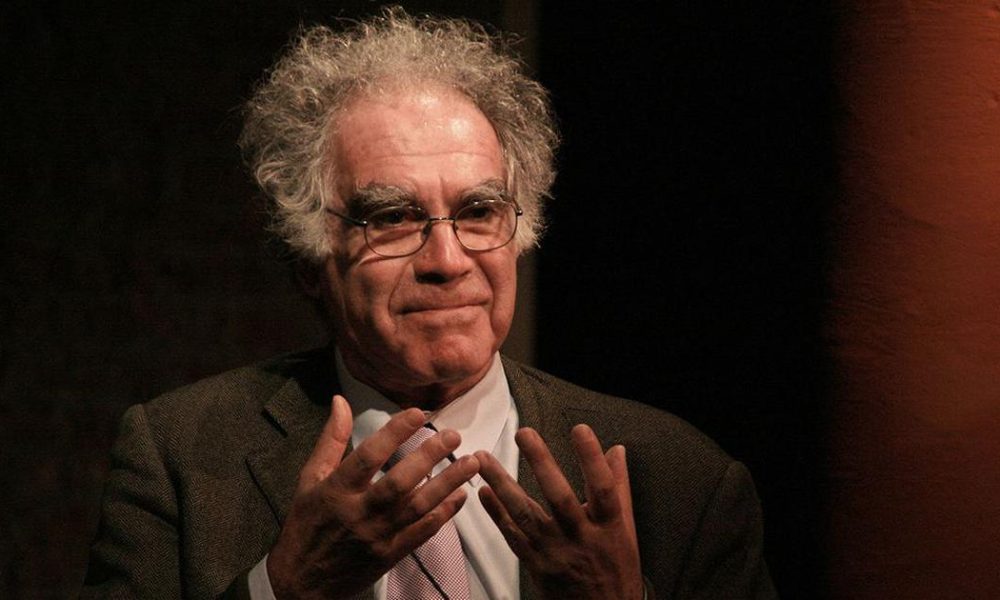
Carlo Ginzburg, the celebrated Italian historian and a trailblazer in microhistory, left an indelible mark on the study of history before his passing on June 17, 2026, at the age of 87. Renowned for his ability to weave intricate narratives from seemingly mundane details, Ginzburg’s works delve deeply into the fabric of European history, particularly during the Renaissance and early modern period.
Born in 1939, Ginzburg’s scholarly journey spanned various disciplines, encompassing art history, literary criticism, and historiography. His most acclaimed publications, such as The Cheese and the Worms, The Night Battles, and Ecstasies: Deciphering the Witches’ Sabbath, have not only shaped academic discourse but have also made significant contributions to our understanding of cultural and social history. These texts exemplify his unique approach to microhistory, where he focused on individual experiences and lesser-known events to reveal broader historical truths.
In a memorable conversation with his Indian publisher, Naveen Kishore, in Kolkata in 2019, Ginzburg reflected on his career and personal journey. He emphasized the importance of fiction in shaping his inquiries into history, revealing how narrative elements influenced his scholarly pursuits. This perspective underscored the idea that history is not merely a collection of facts but a complex tapestry woven from various narratives and interpretations.
Ginzburg’s accolades include the prestigious Balzan Prize awarded in 2010 and his election as an International Member of the American Philosophical Society in 2013. These honors serve as a testament to his influence and contributions to the field of history. As a historian, his work challenged conventional methodologies, urging scholars to look beyond dominant narratives to uncover the stories of ordinary people.
His passing marks the end of an era in historical scholarship, yet Ginzburg’s ideas and writings continue to inspire new generations of historians and students alike. His legacy is a reminder of the power of microhistory in understanding the complexities of human experience, particularly in a world that often overlooks the subtleties of individual lives. As India and the global community reflect on his contributions, Ginzburg’s profound insights into the past will undoubtedly resonate for years to come.
Source: scroll.in







No Comment! Be the first one.