

Escalating Tensions: US and Iran Exchange Strikes Amid Gulf Peace Deal Violations
In a dramatic escalation of hostilities, the United States and Iran continued to exchange military strikes in the Gulf region over the weekend, each accusing the other of breaching a recently signed...

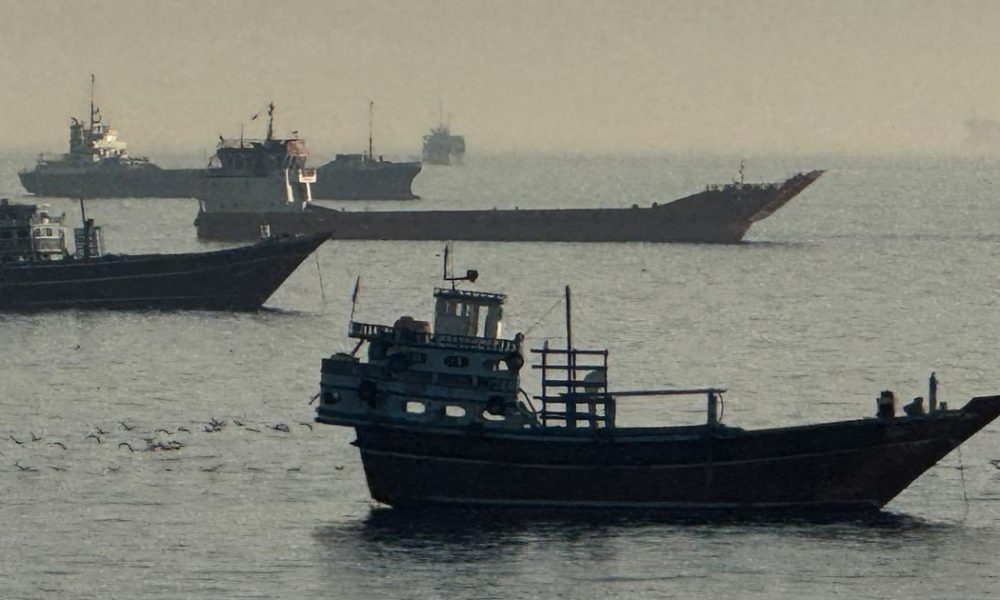
In a dramatic escalation of hostilities, the United States and Iran continued to exchange military strikes in the Gulf region over the weekend, each accusing the other of breaching a recently signed peace agreement. This tenuous truce, established less than two weeks prior, now hangs by a thread as both nations engage in retaliatory actions.
The US Central Command reported on Saturday that it had conducted strikes against various Iranian targets, characterizing these actions as necessary responses to ongoing Iranian threats against commercial shipping. According to US military sources, these strikes were prompted by an alleged drone attack carried out by Iranian forces on a Panama-flagged tanker navigating the critical Strait of Hormuz. The tanker was reportedly carrying over two million barrels of crude oil when it was targeted.
In its military operations, the US has focused on Iranian military infrastructure, citing air defense installations, communication networks, and drone facilities as primary targets. The intention behind these strikes is to deter future Iranian aggression and ensure safe passage for vessels in the busy shipping lanes that are vital for global oil trade.
Conversely, Iran’s Islamic Revolutionary Guard Corps (IRGC) responded forcefully by launching missiles and drones aimed at US military sites located in Kuwait and Bahrain. The IRGC specifically targeted the Ali al-Salem Air Base in Kuwait and the Fifth Naval Fleet station at Port Salman in Bahrain. Iranian officials have made it clear that they believe their actions are justified under the terms of their memorandum of understanding with the US, which includes protocols for navigation control in the Strait of Hormuz. They have warned that any violations of these rules will lead to more severe repercussions.
This spiraling conflict highlights the fragility of diplomatic engagements in the region and raises the specter of broader military confrontations. With the Strait of Hormuz being a crucial artery for oil transport, any disruption could send shockwaves through global oil markets and impact economies worldwide, including India’s. As tensions mount, the prospect of a peaceful resolution seems increasingly distant, leaving many to wonder about the implications for international relations and regional stability.
Source: scroll.in







No Comment! Be the first one.