

Understanding the Role of Indian Passports in Citizenship: A Legal Perspective
On June 24, coinciding with the 59th anniversary of the Passports Act, the Ministry of External Affairs made a significant declaration: an Indian passport is merely a travel document and does not...

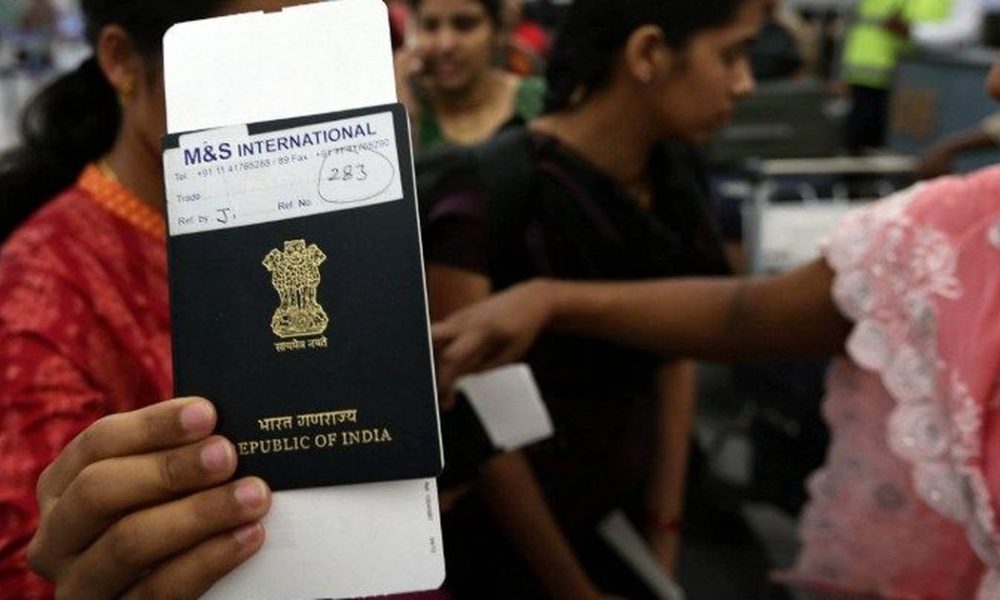
On June 24, coinciding with the 59th anniversary of the Passports Act, the Ministry of External Affairs made a significant declaration: an Indian passport is merely a travel document and does not serve as proof of citizenship. This announcement, covered by noted diplomatic correspondent Sidhant Sibal, has ignited public discourse, although the legal understanding has been clear for years. The ministry’s statement publicly aligns with what legal experts have long been aware of—citizenship and identity are distinct concepts, and no single document can definitively establish citizenship.
The backdrop of this clarification is critical to understanding its implications. The Ministry of External Affairs revealed that in 2025 alone, approximately 1.39 crore passports were issued, with the total number of passport-related services exceeding 1.5 crore. Given this staggering volume, the notion that each passport serves as a verified testament to an individual’s citizenship is not only impractical but also legally untenable. Under the provisions of Section 20 of the Passports Act of 1967, the government is permitted to issue passports to non-citizens, which inherently complicates the narrative of passports as definitive proof of citizenship.
This clarification comes at a time when the nation is grappling with issues related to identity verification and electoral rolls. The Special Intensive Revision of electoral rolls has spurred discussions about the nature of identity and the documents that establish it. As the government seeks to ensure accurate electoral representation, the distinction between identity as a legal concept and citizenship as a status becomes increasingly significant.
Critics of the current understanding argue that the lack of a definitive proof of citizenship can create vulnerabilities within the system, especially as the nation strives for transparent governance and equitable electoral processes. While the Ministry’s statement may have surprised many, it serves as a necessary reminder of the complexities involved in legal documentation and identity verification in India.
In conclusion, the recent statement from the Ministry of External Affairs sheds light on a critical aspect of Indian law: that an Indian passport, while essential for international travel, does not equate to proof of citizenship. This distinction is vital as India continues to engage in discussions about identity, citizenship, and the legal frameworks that govern them, emphasizing the need for a more nuanced understanding of these issues.
Source: scroll.in







No Comment! Be the first one.