

Reforming State Election Commissions: A Crucial Step for Strengthening Local Democracy in India
In India, the importance of local democracy is often overshadowed by the prominence of national and state-level institutions. This discrepancy becomes particularly evident in the administration of...

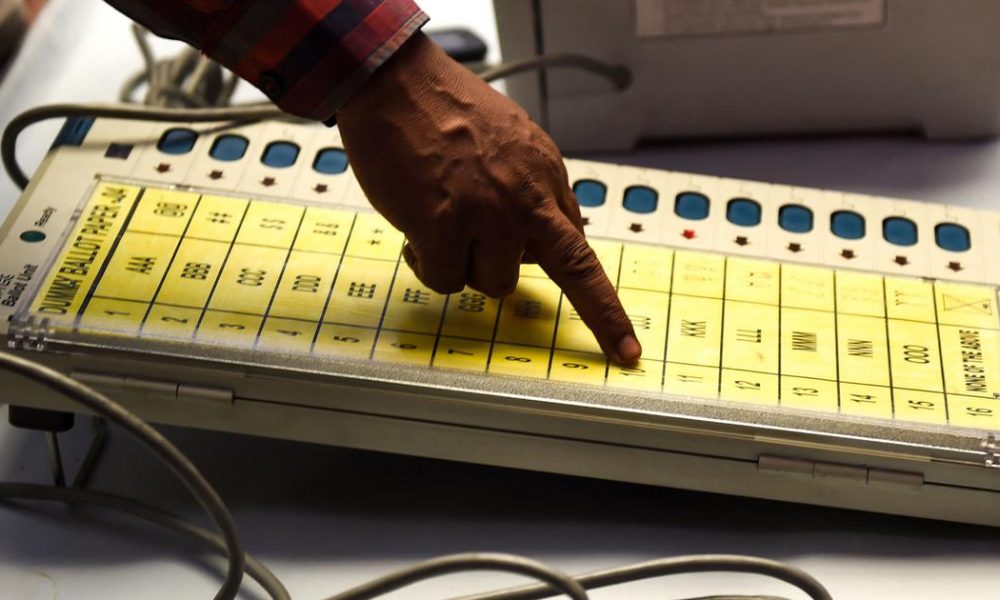
In India, the importance of local democracy is often overshadowed by the prominence of national and state-level institutions. This discrepancy becomes particularly evident in the administration of elections for local bodies, where the process frequently experiences delays and disruptions. While elections for the Parliament and state Assemblies are conducted with remarkable efficiency, local government elections, be they for urban or rural bodies, often face significant hurdles.
The Indian Constitution’s Article 243U stipulates that elections for urban local bodies should occur before the conclusion of their five-year terms, and State Election Commissions, empowered by Article 243ZA, are tasked with overseeing these elections. However, the past decade has witnessed a troubling trend of postponed elections for rural local governments, including village panchayats and taluk panchayats, along with urban entities like municipal councils and corporations. A report from the Comptroller and Auditor General in 2024 highlighted that approximately two-thirds of the 2,625 cities audited across 17 states lacked elected councils.
This persistent issue raises concerns regarding the accountability and representation of local governments. While judicial interventions have addressed specific cases of delay, they have largely fallen short of addressing the underlying systemic flaws in the legal framework governing local elections. This situation not only undermines the intent behind the 74th Constitutional Amendment, which aimed to promote democratic decentralization, but also deprives citizens of the opportunity to engage with accountable governance at the grassroots level.
Despite recent efforts by certain states to conduct local body elections after extended delays, the sporadic nature of these elections signals a troubling trend rather than a commitment to strengthening local democracy. The lack of timely elections hampers the development of effective governance structures at the local level, where citizens should ideally have direct access to their representatives.
For India to foster robust local governance, it is essential that State Election Commissions undergo significant reforms. These changes should focus on ensuring the timely conduct of elections, enhancing the autonomy of the commissions, and implementing strict accountability measures. In doing so, India can take meaningful strides toward empowering its citizens by providing them with elected, accountable representatives who can address local issues effectively.
Source: scroll.in




No Comment! Be the first one.