

Exploring Culinary Poetry: The Rich Heritage of Arabic and Persian Food Narratives
In a time long before artificial intelligence began crafting whimsical food dramas, Arabic and Persian poets breathed life into culinary elements, transforming them into characters with unique...

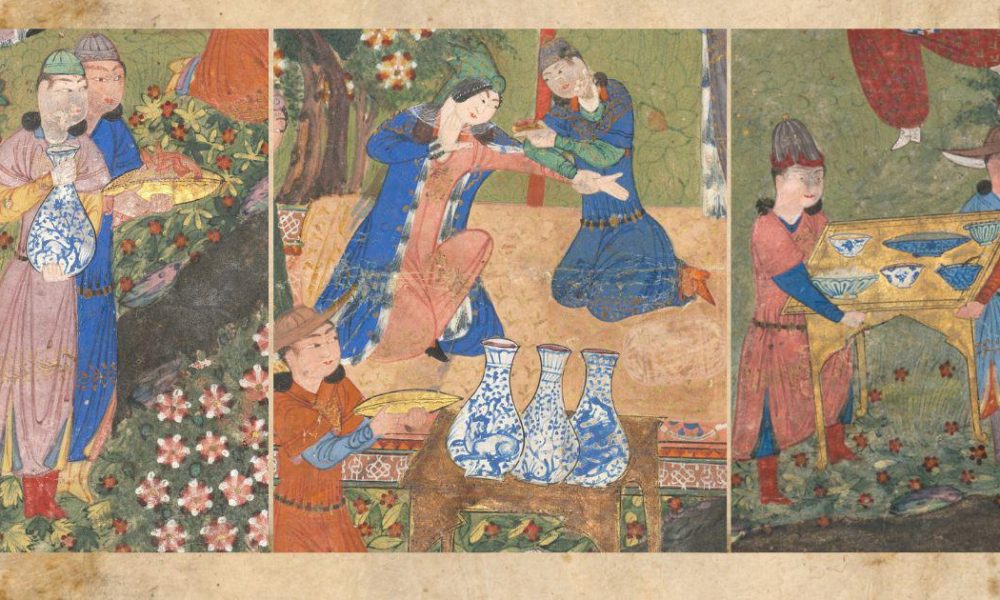
In a time long before artificial intelligence began crafting whimsical food dramas, Arabic and Persian poets breathed life into culinary elements, transforming them into characters with unique personalities, conflicts, and stories. These literary works, spanning from the 11th to the 19th centuries, provided a vivid portrayal of social and cultural dynamics, revealing how poets from regions like Cairo to Shiraz and Hindustan employed food as a medium to reflect the complexities of their societies.
In today’s digital age, we are increasingly surrounded by AI-generated content, including amusing yet simple narratives involving anthropomorphized food items. These creations—such as a strawberry navigating a love affair or a potato uncovering a scandal—often lack the depth and richness that characterized historical culinary poetry. The imaginative narratives of yesteryears allowed fruits and vegetables to take on roles as rivals or allies, conveying more than mere entertainment; they served as a mirror to the evolving cultural landscapes of their respective eras.
For instance, the poetic traditions of the Middle East and South Asia turned everyday kitchen ingredients into entities that interacted with one another in vibrant stories. Through their verses, poets would highlight societal changes, often using humor and satire to explore themes of love, betrayal, and friendship among these personified edibles. This approach not only entertained but also encouraged reflection on the relationships within society, much like how contemporary food dramas seek to engage audiences today.
As the world becomes engrossed in AI-generated narratives, it’s important to recognize and appreciate the historical significance of culinary poetry from the Arabic and Persian realms. These works not only enlivened the literary scene but also influenced the cultural identities of various communities. In India, where rich traditions of storytelling exist, drawing parallels between past and present can foster a deeper understanding of how food remains a central theme in human experiences.
Ultimately, while AI may mimic the creative storytelling seen in traditional poetry, it lacks the nuanced depth and contextual richness that human poets infused into their works over centuries. As we navigate through the digital age, acknowledging the foundational contributions of Arabic and Persian culinary poetry can enrich our appreciation of both past and contemporary narratives, reminding us that the stories we tell, whether about food or otherwise, continue to shape our cultural landscapes.
Source: scroll.in







No Comment! Be the first one.