

Remembering Jagannath Prasad Das: A Poet’s Journey Through Time and History
Jagannath Prasad Das, affectionately known as JP, has left an indelible mark on Indian literature and culture. Born in 1936, he has been celebrated for his profound poetry and contributions to...

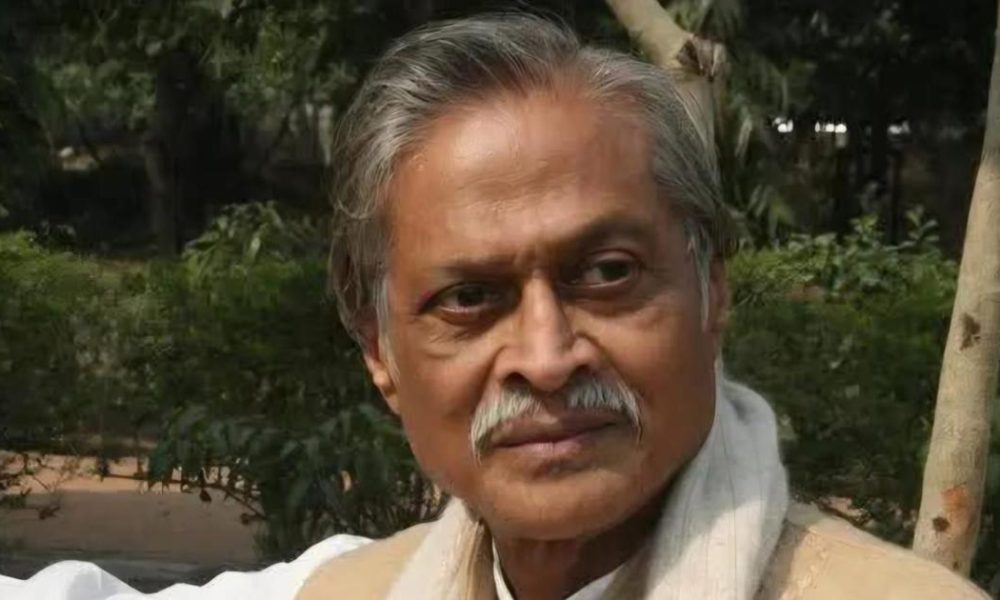
Jagannath Prasad Das, affectionately known as JP, has left an indelible mark on Indian literature and culture. Born in 1936, he has been celebrated for his profound poetry and contributions to literature, which resonate deeply in a world often fragmented by chaos. His works, characterized by a quest for meaning and coherence, have inspired countless readers and writers alike.
In 1982, just before I embarked on a journey to Oxford for further studies, I was encouraged by the well-respected social activist Girija Bhusan Patnaik to meet JP. At that time, JP had already carved a niche for himself as a prominent poet, and his first poetry collection, Pratham Purush, whose cover was artistically designed by the renowned filmmaker Satyajit Ray, became a hot topic among students like me at Ravenshaw College. At that moment, JP served as the Resident Commissioner at Orissa Bhawan in New Delhi, and our initial encounter was marked by his polite yet somewhat reserved demeanor.
During our meeting, JP’s response to my plans to study Walter Scott at Oxford was mildly amusing. He remarked on the excitement that awaited me at the prestigious university. Despite my expectations, my first impression of him was rather modest, lacking the warmth I had anticipated. However, our paths would cross again, leading to a deeper understanding of his literary genius.
By 1992, my encounter with JP’s novel Desh Kaal Patra at Sambalpur University transformed my perspective. The book, a fascinating blend of history and fiction, captivated me from the very first page. It uniquely interwove real historical events with vividly drawn characters, allowing readers to engage with the past in a way that felt both immediate and alive. Each chapter opened with a specific location and date, immersing readers into the historical context with remarkable clarity.
This innovative approach not only showcased JP’s literary prowess but also highlighted his lifelong commitment to exploring the complexities of human experience in a rapidly changing world. His works continue to inspire discussions on identity, history, and the essence of being in a society that often grapples with fragmentation. As we remember Jagannath Prasad Das, we celebrate his contributions to Indian literature and the enduring relevance of his work in understanding our collective past and present.
Source: scroll.in






No Comment! Be the first one.