

Economic Turmoil: Challenges Ahead for Modi and Shah’s Reform Agenda
The Indian economy has been under significant strain for over a year, with various indicators pointing towards stagnation. The depreciation of the rupee, alongside a noticeable exodus of capital,...

The Indian economy has been under significant strain for over a year, with various indicators pointing towards stagnation. The depreciation of the rupee, alongside a noticeable exodus of capital, raises concerns about the sustainability of economic growth. Domestic private investment has seen a decline, while consumer demand remains tepid, creating a challenging environment for businesses. Manufacturing output has also failed to gain momentum, and the widening gap between the affluent and the less privileged is becoming increasingly pronounced.
Recent performance in the stock market reflects these troubling signs, especially as share prices of leading IT companies decline due to the looming threat of Artificial Intelligence disrupting traditional business models. The leading stock market indices have remained stagnant, hovering at levels similar to those two years ago. This stagnation is not just a reflection of investor sentiment but underscores deeper structural issues within the economy.
The global landscape has added complexity to India’s economic challenges. In particular, the ongoing conflict involving the United States and Iran has introduced uncertainty into essential markets such as oil, gas, and fertilizers. As these commodity prices fluctuate, India’s trade balance has been adversely impacted, leading to shortages in critical supplies. Furthermore, the conflict has resulted in a decline in remittances, contributing to a reduction in the country’s foreign exchange reserves.
In light of these multifaceted challenges, there has been an increasing call from economists and industry experts for the Modi administration to recognize the gravity of the situation. Many articles and discussions are urging the government to implement necessary reforms to navigate these tumultuous waters. Proposed reforms often focus on enhancing the efficiency of the customs and tax bureaucracies and mitigating the perceived arbitrariness of the Enforcement Directorate’s operations. Additionally, there is a pressing need to boost public spending in crucial sectors like health and education.
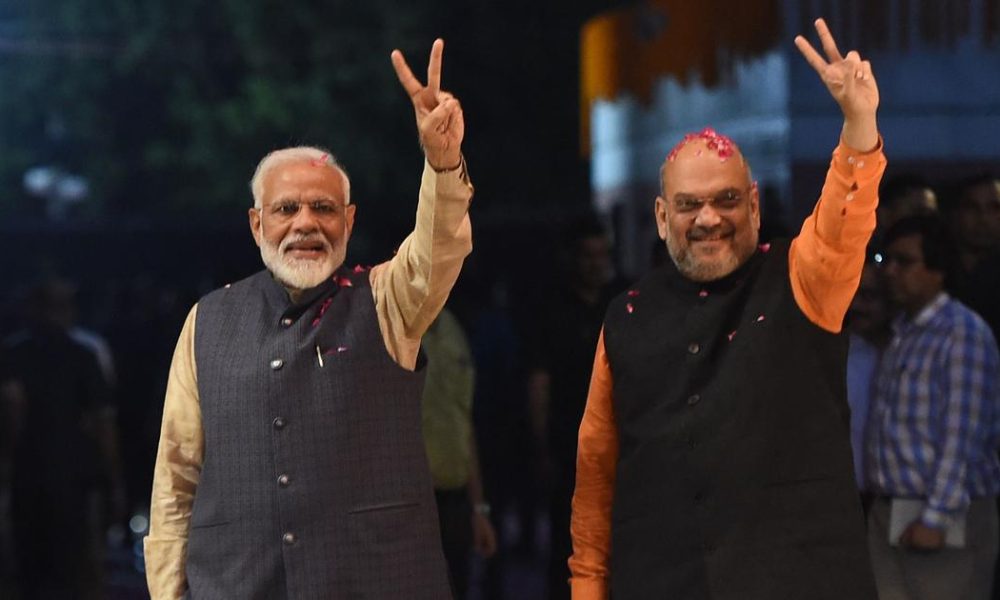
However, the question remains whether Prime Minister Modi and Home Minister Amit Shah have the political will to push through these essential reforms. The government’s track record in addressing economic grievances has been mixed, and skepticism looms over its capacity to implement sweeping changes in the current climate. As the calls for reform grow louder, the need for decisive action has never been more critical to restore confidence in India’s economic future.
Source: scroll.in





No Comment! Be the first one.