

Uttar Pradesh Universities Mandated to Establish Anti-Conversion Cells
In a significant move, all state-run universities and higher educational institutions in Uttar Pradesh, governed by the Bharatiya Janata Party (BJP), have been ordered to create ‘Dharmantaran...

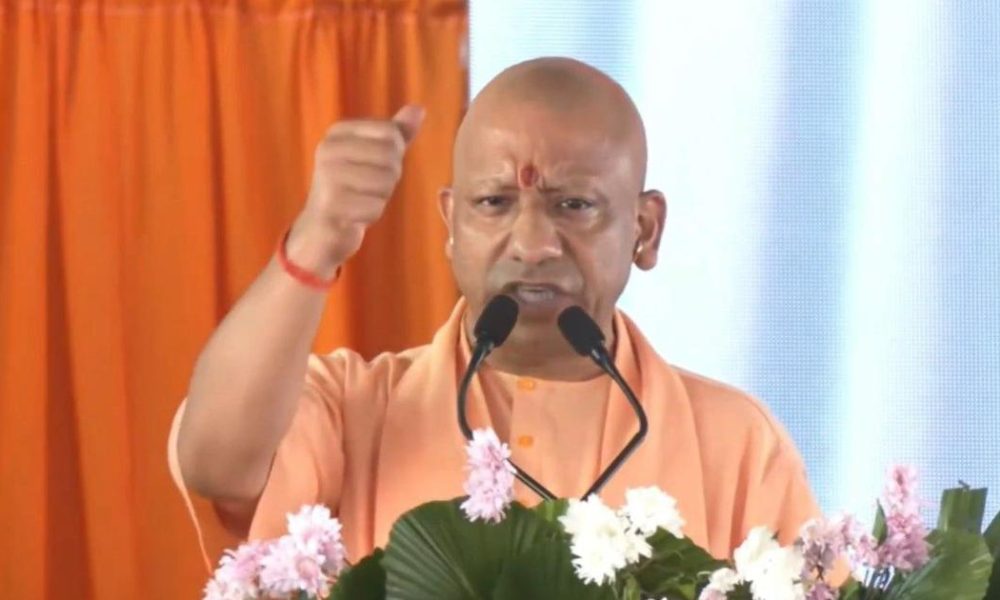
In a significant move, all state-run universities and higher educational institutions in Uttar Pradesh, governed by the Bharatiya Janata Party (BJP), have been ordered to create ‘Dharmantaran Roktham cells,’ commonly referred to as anti-conversion cells. This directive was revealed in a communication from the secretariat of Governor Anandiben Patel, issued on May 28, highlighting an urgent need for protective measures against alleged coercive religious conversions.
The correspondence outlines that vice chancellors and directors of all educational institutions, including medical colleges, must enhance their counseling services, monitoring systems, and student welfare initiatives. Furthermore, it emphasizes the importance of establishing robust reporting protocols and preventive measures to safeguard students from potential undue influences arising from inducement or psychological pressure.
This directive follows numerous allegations indicating that some students have been coerced into changing their religion, particularly after a series of investigations linked to King George Medical University in Lucknow. These investigations emerged amid claims of a ‘love jihad’ network operating from the university, a term associated with a controversial narrative alleging that Muslim men manipulate Hindu women into relationships as a means of causing religious conversion.
While the BJP has lauded the governor’s initiative, deeming it essential for protecting students from coercive tactics, the opposition parties, notably the Samajwadi Party, have criticized the move. They argue that it serves to further polarize society rather than address the issue at hand. The Samajwadi Party contends that the government’s response is an attempt to distract from real issues concerning education and student welfare.
Despite the rising tensions surrounding this issue, it’s important to note that the Ministry of Home Affairs has previously informed Parliament that Indian law does not recognize the term ‘love jihad.’ This adds another layer of complexity to the controversy, suggesting that the government’s stance may be more about political positioning than legal necessity.
The establishment of these cells is likely to incite further debate within the state and across the nation regarding freedom of religion, the rights of students, and the role of educational institutions in safeguarding their welfare. As these institutions prepare to implement the governor’s directives, the broader implications for society and inter-religious relationships in Uttar Pradesh remain to be seen.
Source: scroll.in







No Comment! Be the first one.