

Trump Pressures Netanyahu to Curb Attacks on Iran Amid Ceasefire Tensions
In a significant diplomatic intervention, U.S. President Donald Trump recently cautioned Israeli Prime Minister Benjamin Netanyahu about the potential repercussions of continued military actions...

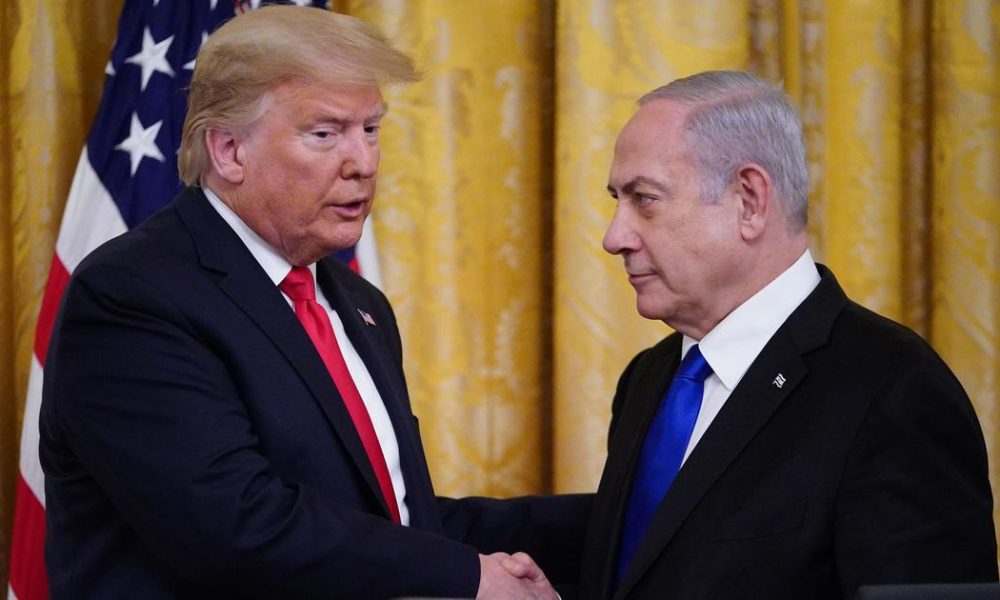
In a significant diplomatic intervention, U.S. President Donald Trump recently cautioned Israeli Prime Minister Benjamin Netanyahu about the potential repercussions of continued military actions against Iran and Lebanon. As reported on Monday by Axios, Trump warned that such aggressive maneuvers could jeopardize America’s support for Israel.
The tensions escalated when Israel announced airstrikes on military targets across western and central Iran, a response to a missile attack that had been launched from Iranian territory. Following these developments, Israeli officials indicated that preparations were underway for an extensive wave of strikes on Iran, marking one of the most intense military campaigns since a ceasefire was declared on April 8.
In a phone call that followed the airstrikes, Trump advised Netanyahu to reconsider the ongoing military actions. “I told him, [Netanyahu], you better be careful, or you will be on your own very soon,” Trump stated, highlighting the strained alliance should Israel proceed with its aggressive military stance. Following their conversation, Netanyahu agreed to halt further operations, contingent upon Iran refraining from additional attacks.
This warning comes in the wake of a heightened period of conflict between the two nations, which had recently agreed to pause hostilities after their most significant escalation since the ceasefire. The Iranian military’s joint command announced its intention to suspend offensive operations but cautioned that any resumption of hostilities from Israel or its allies would result in “much more severe and crushing measures than before.”
Netanyahu confirmed the cessation of hostilities, stating, “The fighting has stopped after we hit the terror…” This fragile truce underscores the delicate balance of power in the region and the complex dynamics of international relations, particularly as the U.S. seeks to maintain its role as a mediator while navigating its own strategic interests in the Middle East.
Source: scroll.in







No Comment! Be the first one.