

Domestic LPG Prices Surge Again: 14.2-kg Cylinder Now Costs Rs 942
The price of domestic liquefied petroleum gas (LPG) has seen an increase of Rs 29 for a standard 14.2-kg cylinder, marking the second price hike in just three months. As of Sunday, the new price for...

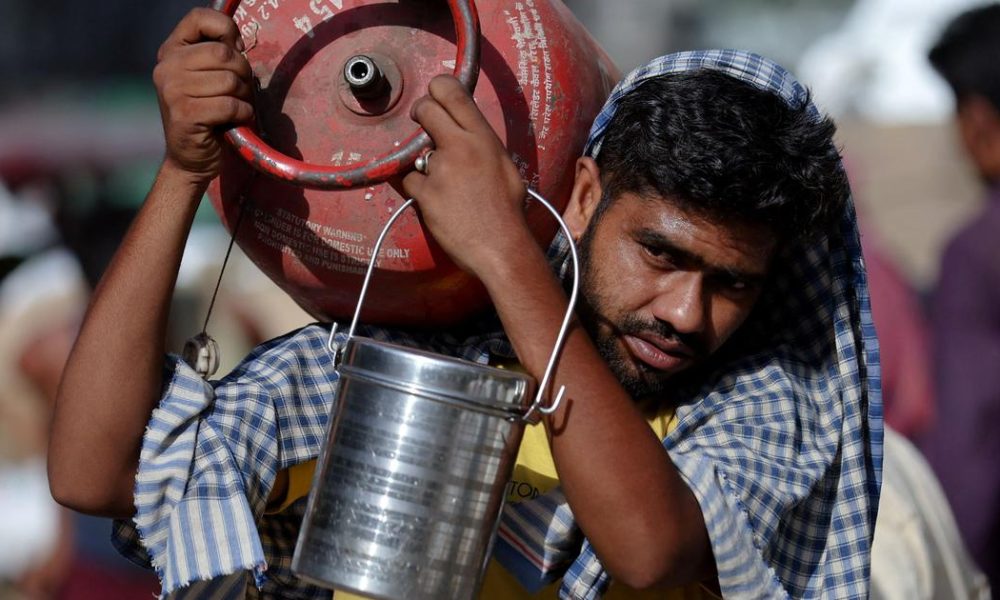
The price of domestic liquefied petroleum gas (LPG) has seen an increase of Rs 29 for a standard 14.2-kg cylinder, marking the second price hike in just three months. As of Sunday, the new price for a domestic LPG cylinder in Delhi stands at Rs 942, up from the previous Rs 913. This adjustment comes in the wake of rising global energy prices driven by ongoing geopolitical tensions, particularly the conflict in West Asia.
This latest increment follows a significant price increase on March 7, when the cost of domestic LPG cylinders rose by Rs 60. Reports indicate that although consumers are now faced with steeper prices, state-run oil marketing companies were incurring losses of approximately Rs 703 on each cylinder prior to this adjustment. These losses underscore the impact of fluctuating global oil prices on domestic fuel costs, which are heavily influenced by crude oil market dynamics.
The hike in LPG prices occurs alongside a broader trend of rising fuel costs in India. In recent months, the Indian Oil Corporation, the nation’s largest state-run oil retailer, has also adjusted prices for commercial LPG cylinders, raising the cost of a 19-kg cylinder by Rs 42, bringing it to Rs 3,113.5 in Delhi. Additionally, petrol and diesel prices have seen an overall increase of Rs 7.50 per litre since mid-May, while the price of compressed natural gas (CNG) has also risen by Rs 6 per kg.
India is heavily reliant on imports to meet its energy needs, sourcing approximately 88% of its crude oil and around 50% of its natural gas requirements from other countries. This reliance means that domestic prices are sensitive to fluctuations in the international oil market, which has been particularly volatile recently due to various geopolitical factors and supply chain disruptions.
As the government navigates these challenges, consumers are left to grapple with the rising cost of essential energy resources. This trend of increasing fuel prices raises concerns about the economic implications for households and businesses alike, especially in an environment where inflationary pressures are already being felt across various sectors.
Source: scroll.in







No Comment! Be the first one.