

Abhijeet Dipke: A Catalyst for Change Among Dalit Leaders in India?
In a remarkable turn of events, Abhijeet Dipke, the founder of the Cockroach Janta Party, is set to return to India from the United States to spearhead a protest against Education Minister Dharmendra...

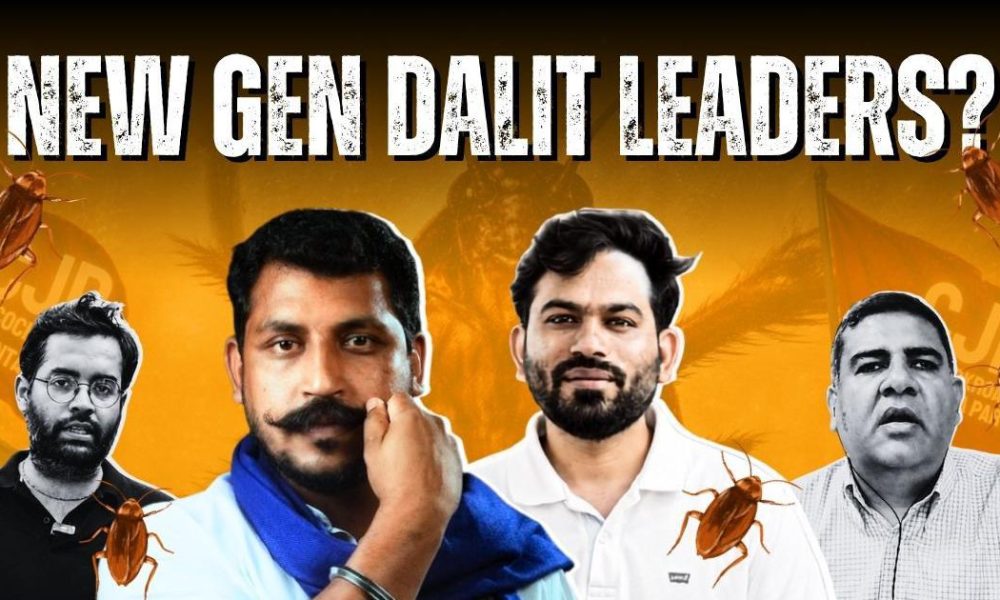
In a remarkable turn of events, Abhijeet Dipke, the founder of the Cockroach Janta Party, is set to return to India from the United States to spearhead a protest against Education Minister Dharmendra Pradhan. The Cockroach Janta Party, which initially launched as a satirical online movement on May 16, has gained considerable traction, stirring conversations about the state of leadership among Dalit communities and the broader implications for Indian politics.
The growing popularity of Dipke and his party raises the question of whether we are witnessing the dawn of a new era of Dalit leadership. Political scientist Amit Ahuja from the University of California, Santa Barbara, points out that the Cockroach Janta Party’s rise reflects a profound discontent among the youth, particularly linked to the ongoing employment crisis in India. This sentiment mirrors similar movements seen in neighboring countries like Sri Lanka, Bangladesh, and Nepal, where youth have mobilized against their governments.
Ahuja emphasizes that the ruling Bharatiya Janata Party (BJP) and other political entities must take heed of the mounting frustrations among young voters. The Cockroach Janta Party’s vibrant online presence resonates with many young Indians who feel sidelined and desperate for change. Dipke’s campaign symbolizes a collective voice that seeks accountability from the government and underlines the urgent need for employment opportunities and systemic reforms.
As Dipke prepares for his protest on Saturday, he aims to gather supporters who share his vision for a more equitable society. The potential for the Cockroach Janta Party to act as a catalyst for significant political change cannot be underestimated, especially in a landscape where traditional party lines are increasingly blurred by social movements and digital activism.
Ultimately, the unfolding events surrounding Abhijeet Dipke could mark a pivotal moment for Dalit leadership in India. As more individuals marginalized by the existing political framework assert their agency, the implications for India’s democratic landscape will be profound, potentially leading to a reshaping of political narratives and power dynamics.
Source: scroll.in







No Comment! Be the first one.