

Mumbai’s Water Crisis: How the City’s Demands Impact Neighbouring Regions
This summer, the Brihanmumbai Municipal Corporation (BMC) instituted a 10% cut in water supply starting May 15 due to alarmingly low levels in the seven lakes that provide the city’s water. As of...

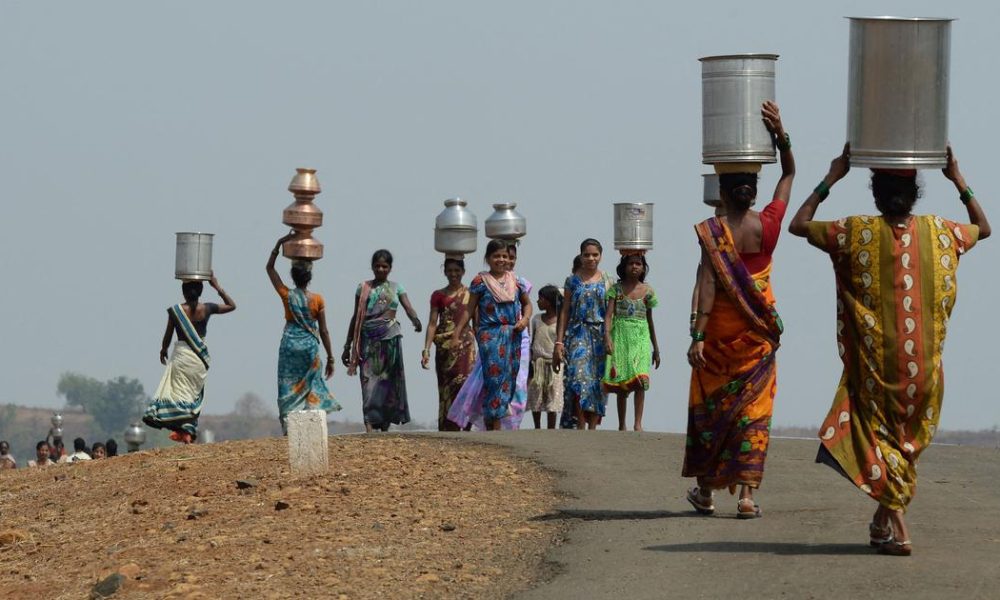
This summer, the Brihanmumbai Municipal Corporation (BMC) instituted a 10% cut in water supply starting May 15 due to alarmingly low levels in the seven lakes that provide the city’s water. As of June 3, Mumbai had enough water for only 45 days, raising serious concerns about the implications of a potentially weak monsoon season.
While Mumbai grapples with its own water challenges, the impact on adjacent cities in the Mumbai Metropolitan Region (MMR) has been severe. Areas such as Vasai-Virar, Bhiwandi-Nizampur, and Mira-Bhayandar are now accustomed to shortages and dependence on water tankers, as they suffer from inadequate water supply. Despite being in proximity to the very dams that supply water to Mumbai, many villages within the metropolitan landscape are consistently facing water scarcity.
Ironically, Mumbai boasts the highest per capita water supply in the MMR, providing over 200 litres per person per day. In stark contrast, residents of Vasai-Virar receive only 70 litres per capita per day, while Bhiwandi-Nizampur and Mira-Bhayandar receive 100 and 105 litres respectively. This is significantly below the national standard of 135 litres per capita per day, underscoring a troubling disparity in water distribution.
The ongoing water scarcity is reflective of a more extensive issue: Mumbai has effectively redefined the control of water resources without expanding its geographical boundaries. This manipulation of resource allocation raises critical questions about the future of equitable water access in the region. As Mumbai continues to siphon off water from shared regional sources, the implications for surrounding areas remain dire.
The primary sources of Mumbai’s water supply extend far beyond its borders, yet the city’s relentless demand has long-term ramifications for its neighbours. The systemic issues surrounding water distribution highlight the need for a thorough reassessment of how resources are managed and shared among the cities in the MMR. With climate change exacerbating weather patterns and the possibility of a deficient monsoon looming, it is imperative that a sustainable and equitable strategy for water distribution be developed to ensure that all communities can access this vital resource.
Source: scroll.in





No Comment! Be the first one.