

Debunking Misconceptions: A Closer Look at Rahul Gandhi’s Challenges
In a recent critique by prominent historian Ramachandra Guha, the focus was directed towards the Gandhi family’s influence on Indian politics, particularly in relation to Narendra Modi’s...

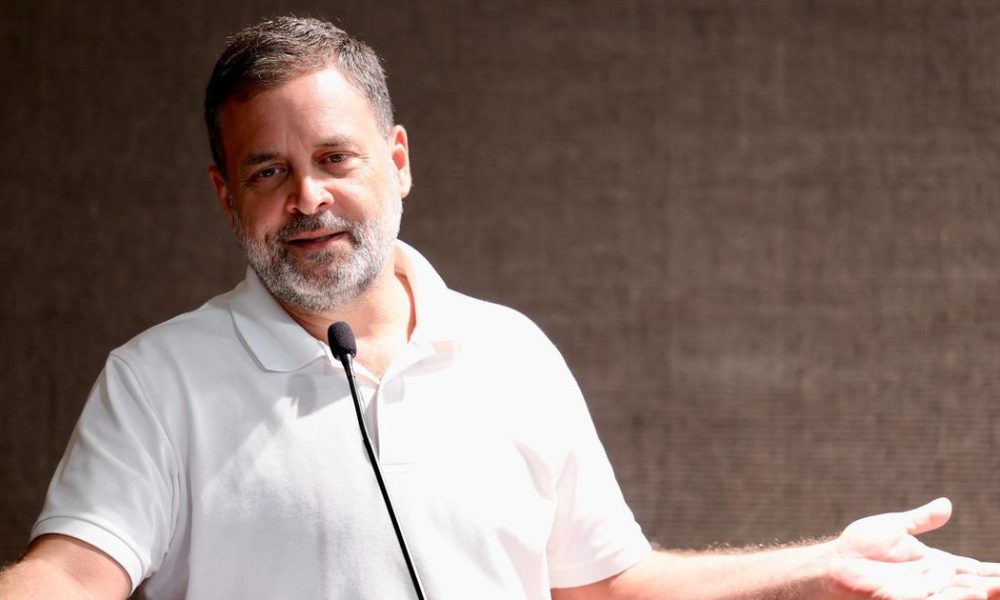
In a recent critique by prominent historian Ramachandra Guha, the focus was directed towards the Gandhi family’s influence on Indian politics, particularly in relation to Narendra Modi’s rising power. However, this perspective has sparked various counterarguments regarding the framework within which such analyses are conducted. Critics of Guha argue that his assessment overlooks the significant complexities surrounding the political landscape of India.
Pius Fozan, a political scientist, highlights an important point in this discourse: modern Indian liberalism is often trapped in a quest for perfection, particularly when judging political figures like Rahul Gandhi. This observation, made during a conversation in Vienna, suggests that the criticism directed at Gandhi is rooted in an outdated understanding of political dynamics, especially in the context of contemporary governance characterized by what some would describe as computational autocracy.
The prevailing narrative suggests that the Indian National Congress, often perceived as a “family firm,” suffers from a lack of effective leadership, particularly in the form of Rahul Gandhi. Critics argue that he lacks the necessary credentials to challenge a well-entrenched political opponent like the Bharatiya Janata Party (BJP). However, such critiques are not only harsh but also fundamentally flawed, as they simplify a complex political struggle into a personal indictment of Gandhi’s capabilities.
This reductionist approach fails to acknowledge the asymmetric power dynamics at play in Indian politics today. The BJP’s remarkable ability to consolidate resources—evident in its reported financial muscle of Rs 10,000 crore—creates a political environment where the playing field is uneven. To assess the Congress party solely in the context of Gandhi’s perceived inadequacies ignores the larger forces at work that shape electoral outcomes and public opinion.
Moreover, the notion of critiquing opposition leaders without considering the ruling party’s monopolistic grip on power fosters a dangerous narrative that can inadvertently aid authoritarian practices. Rather than focusing exclusively on the personal failings of Gandhi, political discourse should encompass a broader analysis of institutional structures and the strategic environment that influences democratic processes in India.
Source: scroll.in




No Comment! Be the first one.