

Excelsa Coffee: The Resilient Variety Thriving Amid Climate Change Challenges
Carnatic musician and innovative coffee roaster Akshay Vaidyanathan blends his dual passions through his coffee venture, Kapikottai, which he established in 2019 as an entrepreneurial project. A year...

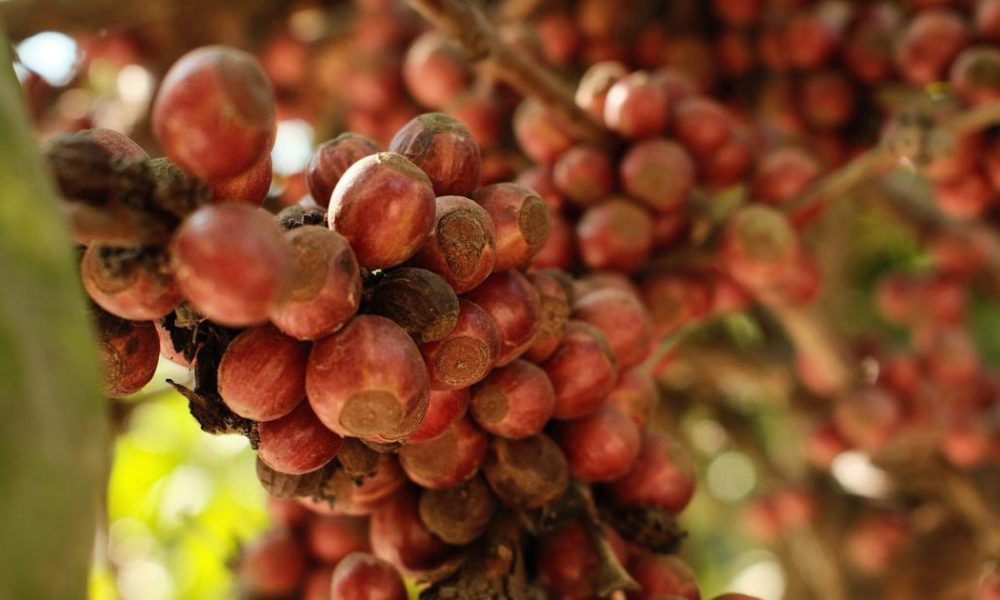
Carnatic musician and innovative coffee roaster Akshay Vaidyanathan blends his dual passions through his coffee venture, Kapikottai, which he established in 2019 as an entrepreneurial project. A year later, he introduced a unique specialty roast derived from Excelsa coffee beans—an underappreciated species in the coffee world. Initially released as a limited experimental batch, Vaidyanathan notes that the product has quickly gained popularity, stating, “It’s been an institution since then, and sells out fast. Many people don’t even realize it’s an entirely different species; they simply enjoy the quality of the coffee.”
This distinction may become increasingly significant as global coffee cultivation faces challenges from climate change. The two primary species, Arabica and Robusta, which dominate the market, are under threat due to escalating temperatures and altered rainfall patterns. Arabica coffee plants are particularly vulnerable, as temperatures exceeding 30 degrees Celsius can lead to reduced yields, compromised bean quality, and increased stress on the plants. In India, while both varieties are cultivated, Robusta is the predominant choice, primarily grown in the Western Ghats region.
As the climate crisis intensifies, researchers and farmers are exploring alternative coffee species that may offer greater resilience. Among these is Excelsa, scientifically known as C. dewevrei. This lesser-known variety, which originates from certain areas of Tropical and West Africa and Southeast Asia, has historically been overshadowed within India’s coffee ecosystem. Often planted as boundary markers or shade providers, Excelsa trees are typically found in the southern and northeastern regions of the country.
Though Excelsa’s presence in India has been minimal, its unique flavor profile and ability to withstand adverse climatic conditions may position it as a valuable asset for farmers in the future. With growing concerns over the sustainability of traditional coffee species, there is a push for diversification, and Excelsa could play a pivotal role in this shift. As enthusiasts discover the distinct qualities of this coffee, it could pave the way for a broader acceptance and integration of Excelsa into the coffee market.
In conclusion, as the global coffee industry grapples with the repercussions of climate change, the emergence of resilient varieties like Excelsa offers a glimmer of hope. Coffee lovers and farmers alike are encouraged to explore this lesser-known species, not only for its unique taste but also for its potential to adapt to changing environmental conditions.
Source: scroll.in







No Comment! Be the first one.