

Supreme Court Orders Rajasthan to Compensate Convict Rs 11 Lakh for Illegal Detention
In a landmark ruling, the Supreme Court of India has mandated the Rajasthan government to pay Rs 11 lakh in compensation to a convict who endured 24 days of unlawful detention following a High Court...

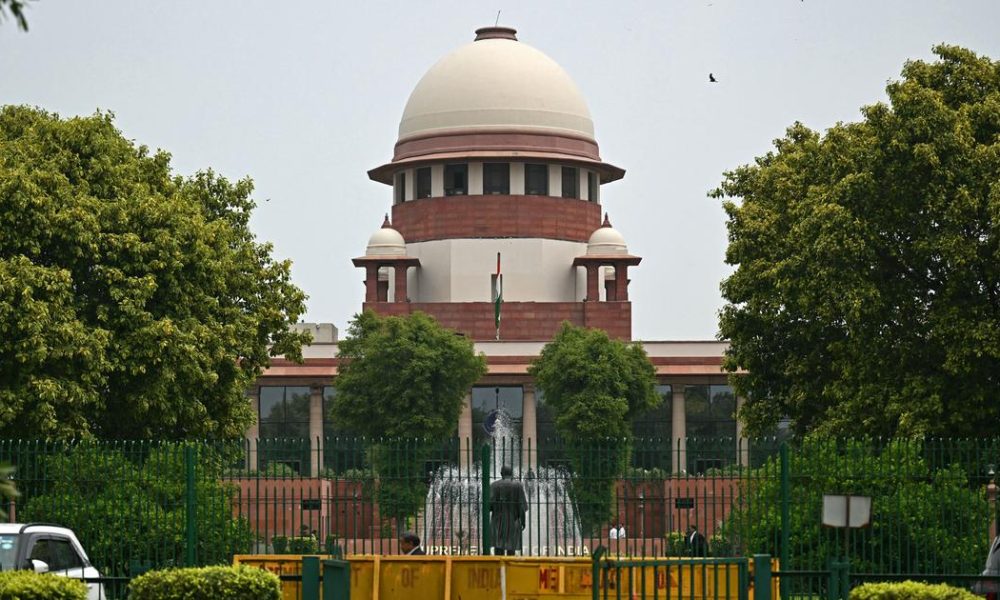
In a landmark ruling, the Supreme Court of India has mandated the Rajasthan government to pay Rs 11 lakh in compensation to a convict who endured 24 days of unlawful detention following a High Court directive for his release on parole. This judgment underscores the critical importance of personal liberty and the obligation of state authorities to respect judicial orders.
The case revolves around Daudayal, who was convicted in 1988 for crimes dating back to 1967, including unlawful assembly and house trespass. Despite the High Court’s clear order for his release on parole, authorities failed to act, effectively keeping him incarcerated while deliberating whether to challenge the court’s decision. This delay was deemed unacceptable by a bench comprising Justices Sanjay Karol and AG Masih, who articulated that an individual’s liberty holds substantial significance and should not be compromised due to bureaucratic indecision.
During the proceedings, the Supreme Court emphasized that judicial orders must be adhered to unless superseded by a higher court. The justices highlighted that the rights of a convict do not diminish simply because they are serving a sentence, reiterating that the essence of justice lies in upholding these rights. The Court’s ruling serves as a reminder that legal frameworks must prioritize individual freedoms and proper adherence to judicial commands.
The matter reflects broader concerns regarding the treatment of prisoners and the processes that govern their release. Instances of arbitrary detention can undermine public confidence in the justice system. By awarding compensation, the Supreme Court intends not only to rectify the grievance faced by Daudayal but also to send a strong message to government entities about the paramount importance of personal liberty. Such decisions reinforce the judiciary’s role as a guardian of rights against potential state overreach.
This case could set a precedent for similar situations in the future, potentially prompting state governments to reevaluate their protocols regarding parole and the implementation of court orders. As discussions around criminal justice reform continue, the Supreme Court’s decision is a significant affirmation of the judiciary’s commitment to safeguarding individual rights, particularly in the context of incarceration.
Source: scroll.in







No Comment! Be the first one.