

Navigating India’s Diverse Markets: Challenges for New Zealand’s Trade Agreement
The recent free trade agreement between New Zealand and India has generated considerable discussions about the vast opportunities presented by the Indian market. With a population surpassing a...

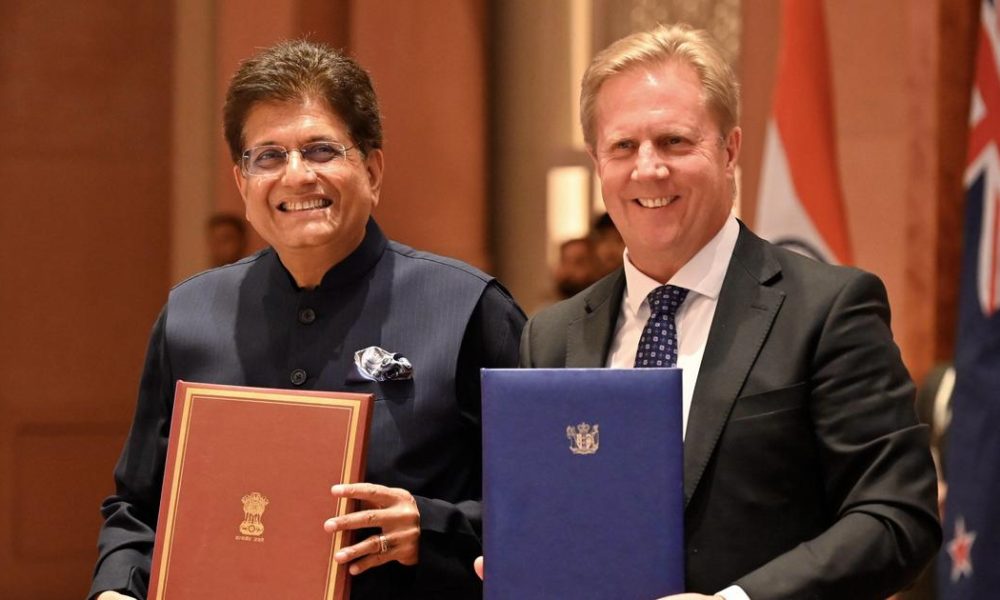
The recent free trade agreement between New Zealand and India has generated considerable discussions about the vast opportunities presented by the Indian market. With a population surpassing a billion and a purchasing power that is expected to surge dramatically by 2050, New Zealand’s exporters are keen to tap into this potential. However, realizing these opportunities may prove to be more complex than anticipated.
While the free trade deal signifies favorable access to a market larger than that of the European Union and ASEAN combined, New Zealand businesses face a unique challenge: the regional diversity and complexity of India’s economy. The fundamental question arises: is a one-size-fits-all approach effective in a market as varied and intricate as India’s? India is often described as a “country of countries,” with 36 states and union territories, each presenting distinct economic landscapes and cultural contexts.
In India, major policy decisions regarding infrastructure, labor, healthcare, and business regulations are typically made at the state level. Consequently, the differences in economic, social, and political environments across states mean that businesses must adopt tailored strategies for each region. For instance, states like Maharashtra and Tamil Nadu, known for their high GDP, demand different approaches compared to less economically developed regions. This necessitates a nuanced understanding of local conditions, market demands, and consumer behavior.
New Zealand businesses must ensure they thoroughly research and comprehend the operational environments of various states. The expectation is that companies will engage with each state as a unique market, thereby maximizing their chances of success. Each state not only has its economic strengths but also varying cultural expectations that could affect market entry and acceptance of foreign products.
As New Zealand moves forward with this trade agreement, the focus should shift from broad discussions to practical, region-specific strategies that recognize India’s rich tapestry of diversity. Success will depend on New Zealand’s ability to navigate these complexities and build relationships that are sensitive to the needs and nuances of each state. Only through a strategic approach that respects and adapts to India’s diversity can New Zealand businesses realize the full potential of this expansive market.
Source: scroll.in







No Comment! Be the first one.