

Supreme Court to Review CBSE’s Controversial Three-Language Policy for Class 9
The Supreme Court of India convened on Wednesday to consider the implications of the Central Board of Secondary Education’s (CBSE) recently mandated three-language policy for students entering...

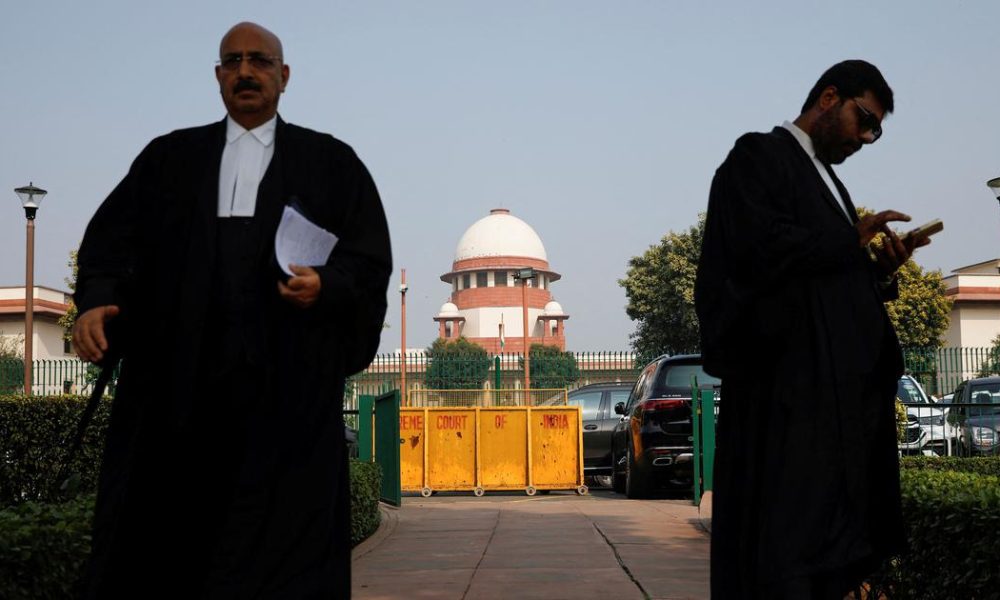
The Supreme Court of India convened on Wednesday to consider the implications of the Central Board of Secondary Education’s (CBSE) recently mandated three-language policy for students entering Class 9. This policy, announced in a circular dated May 15, requires students to study three languages, with at least two of them needing to be Indian languages, starting from July 1, 2023.
The court’s deliberation stems from concerns raised in petitions that argue the policy could impose excessive academic pressure on students and highlight potential logistical hurdles in its implementation. The bench presided over by Chief Justice Surya Kant has called for responses from various stakeholders, including the CBSE itself, the Union government, and the National Council of Educational Research and Training (NCERT), as part of the review process.
During the hearing, Mukul Rohatgi, representing the petitioners, articulated fears that the new policy adds to an already significant academic burden that students face. He emphasized the additional challenge of needing to pass a third language for Class 10 certification, even though assessments for this language will reportedly be handled internally by the schools. This development raises questions about whether schools are prepared with the necessary teachers, textbooks, and infrastructure to effectively implement such a policy.
The initial proposal by the Supreme Court bench was to schedule the next hearing for June 15. However, following a request from Additional Solicitor General Aishwarya Bhati, the court has decided to delay the proceedings until the second week of July, allowing more time for the stakeholders to prepare their responses and for the court to fully assess the situation.
This move highlights the ongoing debate in India about the educational policies that govern curriculum choices and the pressures placed on students within the current academic framework. As the Supreme Court continues its examination of the three-language policy, educators, parents, and students alike are left to ponder the implications it may have on the educational landscape of the country.
Source: scroll.in







No Comment! Be the first one.