

Madras High Court Addresses Judicial Corruption in Controversial Tamil Film Case
The Madras High Court recently highlighted the issue of corruption within the judiciary, asserting that judges should not be considered untouchable figures. This statement was made during the...

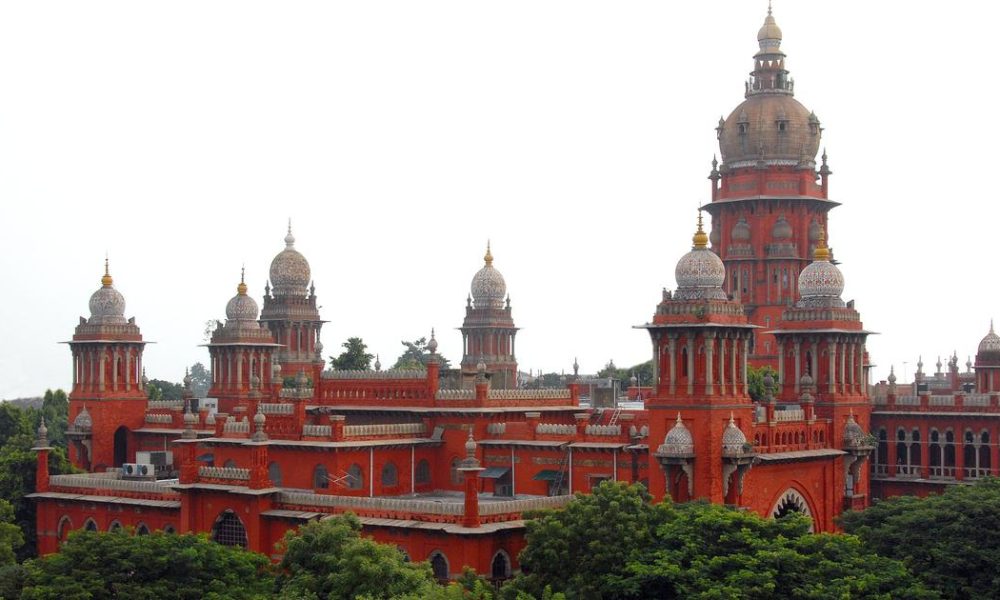
The Madras High Court recently highlighted the issue of corruption within the judiciary, asserting that judges should not be considered untouchable figures. This statement was made during the court’s deliberation on a petition seeking to ban a Tamil film that allegedly tarnished the reputation of the judicial system.
The film in question, titled Karuppu, was directed by RJ Balaji and features prominent actors Suriya and Trisha Krishnan. Released on May 15, the movie narrates the story of a guardian deity who disguises himself as a lawyer to combat the corrupt practices rampant within a court system that exploits vulnerable individuals, particularly a young girl awaiting a liver transplant.
The petition was filed by an advocate who contended that Karuppu was detrimental to the image of the judiciary, claiming it could potentially incite public discontent and amounted to criminal contempt of court. The petitioner urged both the state government and the Central Board of Film Certification to impose a ban on the film, or at the very least, restrict its exhibition across theaters and streaming platforms.
In its ruling delivered on May 21, the bench comprising Justices GR Swaminathan and V Lakshminarayanan dismissed the petition, emphasizing that the judiciary is not immune to scrutiny. The judges expressed that corruption exists within the system, stating, “None can deny there is corruption in the judiciary. There have been and continue to be corrupt judges.” They further articulated that judges ought not to be treated as ‘holy cows’, indicating that accountability is essential even at the highest levels of the legal framework.
This ruling resonates deeply within the ongoing discourse in India regarding the integrity of judicial institutions. It raises pertinent questions about the role of media, including cinema, in reflecting societal issues and the balance between artistic expression and the potential for misrepresentation. The court’s comments underscore the need for vigilance against corruption while also protecting the freedom of expression in art.
Source: scroll.in







No Comment! Be the first one.