

Assessing the Ecological Impact of India’s Smart City Initiatives
India’s ambitious smart city initiative aims to transform urban environments across the nation, promising advanced infrastructure, enhanced public services, and improved quality of life for...

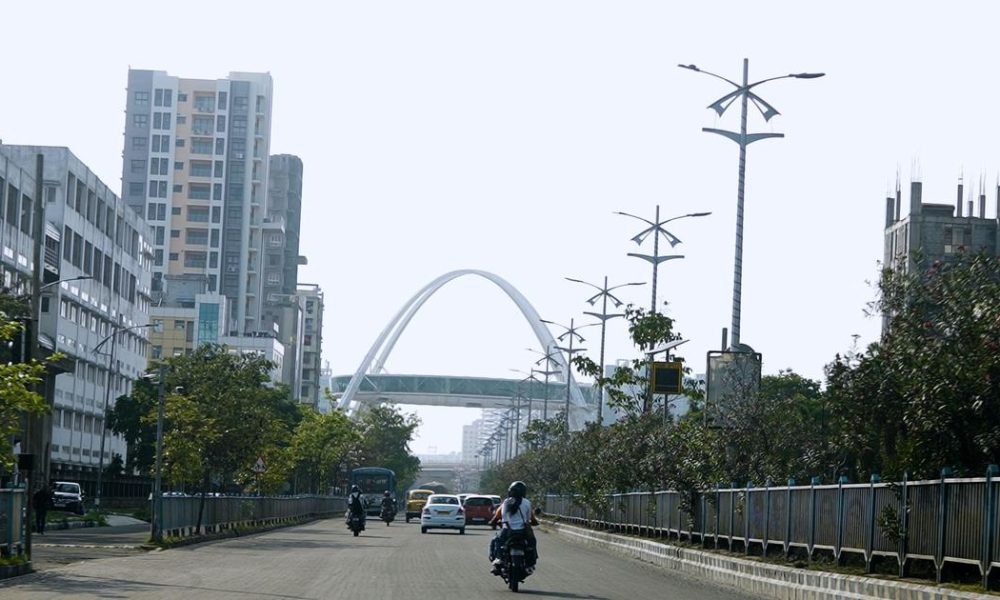
India’s ambitious smart city initiative aims to transform urban environments across the nation, promising advanced infrastructure, enhanced public services, and improved quality of life for citizens. However, as cities evolve into smart hubs, serious concerns arise about the ecological costs of these developments. Understanding the environmental implications is crucial as the nation strives for sustainable growth.
The smart city mission, launched in 2015, sought to develop 100 cities with cutting-edge technologies and sustainable practices, addressing urban challenges like congestion, pollution, and inadequate infrastructure. Yet, this rapid urbanization often comes at a significant environmental price. As cities expand, natural habitats are being destroyed, leading to a loss of biodiversity and disruption of local ecosystems.
Urban planners and environmentalists have raised alarms about the excessive use of resources required for constructing smart cities. The demand for concrete, steel, and other building materials can contribute to increased carbon emissions, exacerbating climate change. Furthermore, many smart city projects overlook the importance of integrating green spaces, vital for maintaining ecological balance, improving air quality, and enhancing residents’ well-being.
Additionally, the implementation of smart technologies, while promising efficiency, can also lead to increased energy consumption. Without proper regulations and sustainable practices, the very systems designed to optimize urban living could inadvertently harm the environment. Critics argue that a comprehensive approach, incorporating renewable energy sources and sustainable urban planning, is essential to mitigate these potential drawbacks.
As India continues its journey toward becoming a global leader in smart urbanization, the balance between progress and ecological preservation remains crucial. Policymakers must prioritize sustainable practices and engage communities in the planning process to ensure that the benefits of smart cities do not come at the cost of the environment. By fostering a dialogue between technology, urban development, and environmental stewardship, India can work towards a future where smart cities thrive alongside healthy ecosystems.
Source: scroll.in






No Comment! Be the first one.