

Modi’s Strategy: Turning Policy Setbacks into Opportunities for National Sacrifice
On the evening of November 8, 2016, Prime Minister Narendra Modi made a historic announcement that would redefine India’s economic landscape. With little notice, he declared that 86% of the...

On the evening of November 8, 2016, Prime Minister Narendra Modi made a historic announcement that would redefine India’s economic landscape. With little notice, he declared that 86% of the nation’s currency would no longer hold value, marking one of the most significant monetary policies in a democratic setting. The government framed this decision with lofty goals, including the eradication of black money, a clampdown on terrorism, and the promotion of a cashless economy. However, the aftermath of this bold move was far from the envisioned success; the repercussions were severe, leading to widespread hardship among citizens.
As the nation grappled with the fallout, Modi’s administration adopted a distinctive narrative approach that would come to characterize his tenure. Rather than acknowledging the widespread discontent directly, the Prime Minister reframed the discourse around these adversities as opportunities for collective sacrifice for the greater good. In his initial address following demonetization, he recognized the temporary difficulties facing honest citizens but quickly shifted the focus to a more inspirational tone. He emphasized the readiness of the Indian populace to endure hardships for the sake of national progress.
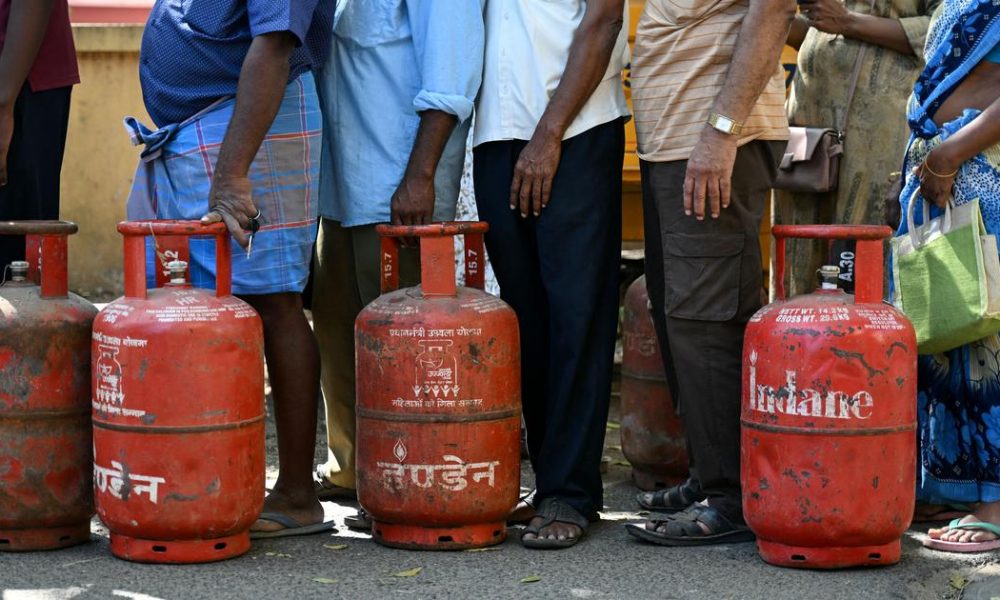
Throughout his speeches, Modi invoked relatable examples of sacrifice, such as a poor widow relinquishing her LPG subsidy and a school teacher forgoing part of his pension. He posed rhetorical questions meant to evoke a sense of duty and resilience among citizens, asking if they would be willing to shoulder the burden in the fight against corruption and terrorism. This method of transforming government-induced challenges into a call for patriotic sacrifice has emerged as a hallmark of Modi’s political strategy.
The implications of this narrative are profound. While some citizens rallied around the idea of contributing to a larger cause, others faced significant challenges, including economic instability and job losses. The narrative of shared sacrifice can potentially obscure the realities of the struggles faced by many. Critics argue that this approach serves to deflect accountability from the government, allowing it to sidestep the criticism that arises from poorly executed policies.
As Modi’s government continues to face various policy crises, this technique of converting suffering into a patriotic call has remained consistent. From the implementation of the Goods and Services Tax (GST) to the recent challenges posed by the COVID-19 pandemic, the administration has often framed difficult situations as tests of national character, inviting citizens to endure for a collective future. The question remains whether this strategy will yield unity in the face of adversity or if it will lead to a growing divide between the government’s narrative and the lived experiences of ordinary citizens.
Source: scroll.in







No Comment! Be the first one.