

Umar Khalid’s Plea for Interim Bail Rejected by Delhi Court in Riots Conspiracy Case
A Delhi court has refused to grant interim bail to activist Umar Khalid in connection with the conspiracy case surrounding the 2020 Delhi riots. The decision was made on Tuesday by Additional...

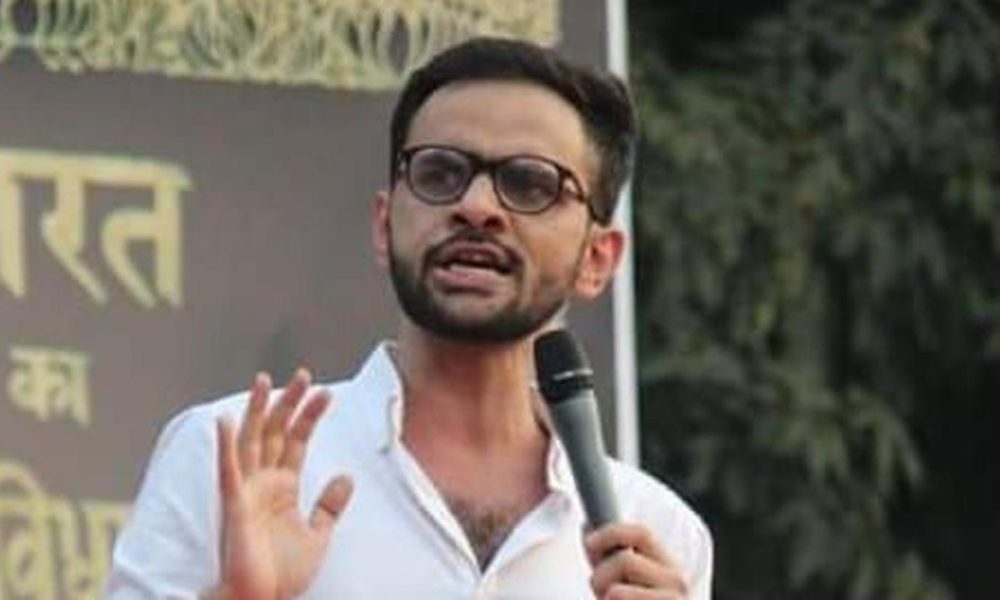
A Delhi court has refused to grant interim bail to activist Umar Khalid in connection with the conspiracy case surrounding the 2020 Delhi riots. The decision was made on Tuesday by Additional Sessions Judge Sameer Bajpai at the Karkardooma Court, who deemed the reasons presented for the bail request as insufficient.
Khalid, who has been in custody since September 2020, sought interim bail for a period of 15 days to participate in the Chehlum ceremony, which commemorates 40 days since his uncle’s death, as well as to provide support for his mother, who is slated to undergo surgery on June 2. However, the court expressed skepticism about the necessity of Khalid’s presence for these events, stating that his father and sister would be available to assist his mother during the surgery.
The court remarked that the simplicity of the procedure further diminished the justification for Khalid’s request. Judge Bajpai pointedly questioned why Khalid had not sought bail immediately following his uncle’s passing, suggesting that the timing of his application raised doubts about its legitimacy. The judge emphasized that prior grants of bail to Khalid and other co-accused in the case should not set a precedent that necessitates bail being granted on subsequent requests.
This ruling is a continuation of Khalid’s legal struggles, as he previously faced rejection of bail from the Supreme Court on January 5, alongside fellow activist Sharjeel Imam. The Delhi riots, which erupted in February 2020, led to significant violence and loss of life, and the subsequent investigations have targeted several individuals, including Khalid, who has been accused of orchestrating the unrest.
The implications of this ruling go beyond Khalid’s personal circumstances, as it underscores the ongoing tensions surrounding the legal processes related to the Delhi riots. The case has drawn national attention, raising questions about civil liberties, political dissent, and the treatment of activists in India. As the legal battle continues, it remains to be seen how this will affect the broader discourse around dissent and activism in the country.
Source: scroll.in







No Comment! Be the first one.