

US Supreme Court Ruling Threatens Voting Rights for Minorities
In a significant judicial decision that could undermine the electoral power of minorities in the United States, the Supreme Court ruled on April 29, 2026, to invalidate a Black-majority congressional...

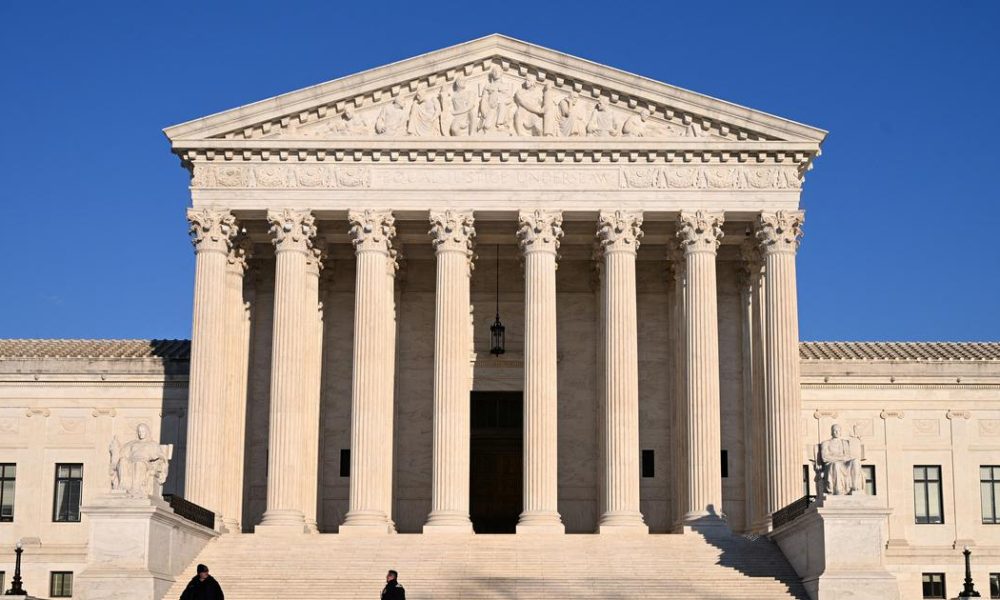
In a significant judicial decision that could undermine the electoral power of minorities in the United States, the Supreme Court ruled on April 29, 2026, to invalidate a Black-majority congressional district in Louisiana, labeling it an unconstitutional gerrymander. This ruling marks a pivotal change in the Court’s interpretation of the Voting Rights Act, which has historically played a crucial role in safeguarding the rights of minority voters.
The Court, in a 6-3 decision dominated by its conservative members, determined that Louisiana had breached the Voting Rights Act by establishing a second district where Black voters held a majority. Justice Samuel Alito, writing for the majority, emphasized the Court’s intention to uphold Section 2 of the Voting Rights Act. This section is designed to prevent voting practices that discriminate based on race or language minority status. However, the ruling introduces a new interpretation that complicates the ability of individuals to challenge redistricting initiatives under this act.
Critics of the decision, notably Justice Elena Kagan, described it as part of a broader effort by the conservative majority to dismantle the protections afforded by the Voting Rights Act. Kagan, alongside the other liberal justices, voiced concerns that the ruling effectively eliminates the ability to consider race in redistricting, a practice long established under the Act. This shift is poised to make it increasingly challenging for affected groups to prove instances of discrimination in the electoral process.
The implications of this verdict extend beyond Louisiana, as it sets a precedent that may ripple through various states grappling with similar voting rights issues. In a country where racial tensions and the quest for equitable representation continue to prevail, this ruling could exacerbate existing disparities and disenfranchise minority communities across the nation.
As the landscape of voting rights in America evolves, the reverberations of this decision are likely to spur discussions and debates around the necessity of reforms aimed at protecting minority voters. The Supreme Court’s ruling serves as a reminder of the ongoing struggle for equitable representation and the importance of vigilance in safeguarding democratic ideals.
Source: scroll.in





No Comment! Be the first one.