

Goa’s Controversial Land Reclassification Sparks Concerns Over Builder Expansion
In a significant shift affecting Goa’s agricultural landscape, the state government has recently reclassified vast tracts of land, enabling real estate development in areas once deemed...

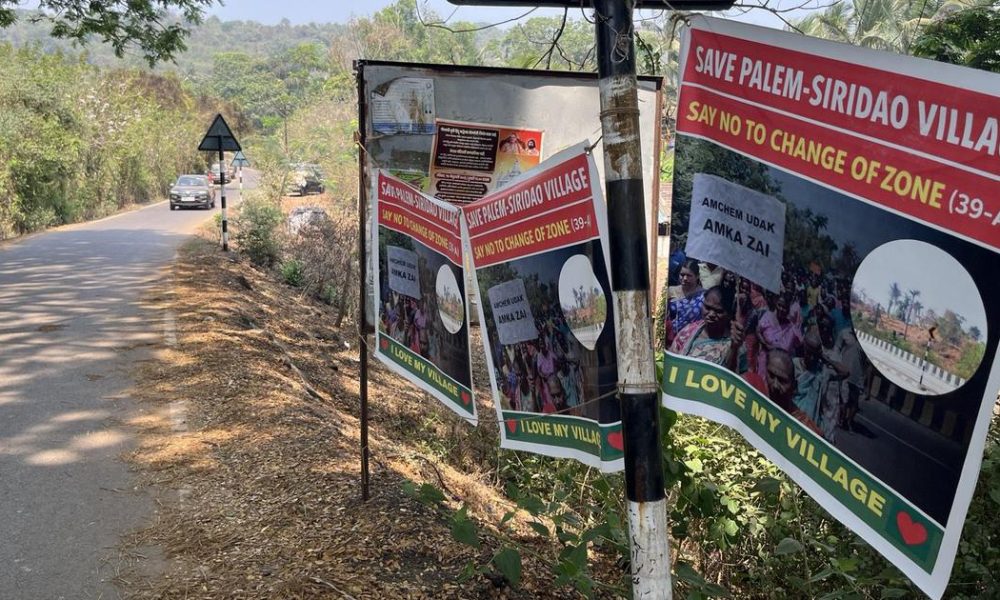
In a significant shift affecting Goa’s agricultural landscape, the state government has recently reclassified vast tracts of land, enabling real estate development in areas once deemed unsuitable for construction. This move has raised concerns among local residents, particularly in Siridao, where Tushar Gawas, a local farmer, has actively protested against the transformation of his orchard’s land classification.
The government’s reclassification decision, enacted on January 26, now categorizes the hilly terrain previously used for cultivating peppers, cashews, and medicinal plants as a settlement zone. This change opens the door for new housing projects and commercial developments in regions that were traditionally reserved for agriculture. Despite Gawas’s objections, which he submitted in a bid to retain his land’s original status, the government dismissed them, citing a lack of substantive details.
Across Goa, this controversial reclassification affects an expansive area equivalent to approximately 133 football fields, encompassing orchards, paddy fields, and sloped land. The legal basis for the sweeping changes rests on Section 39 (A) of the Town and Country Planning Act, which the government defends as a necessary mechanism for rectifying planning errors. However, critics argue that this clause is being misused to facilitate unchecked urbanization.
The Town and Country Planning department is overseen by cabinet minister Vishwajit Rane, who is also a director of Karapur Estates, a real estate company that has actively sought zoning alterations. Critics are questioning the potential conflict of interest inherent in Rane’s dual role as a public servant and a real estate player. Local activists and environmentalists have expressed their alarm, fearing that rampant development could irrevocably alter Goa’s unique ecological and cultural landscape.
As Goa grapples with the implications of this reclassification, the tension between development and conservation has become a focal point of debate. Residents like Gawas are determined to challenge these changes, fearing that their heritage and livelihoods are at stake. The situation highlights the broader conflict in India between rapid urban development and the preservation of agricultural and natural lands.
Source: scroll.in






No Comment! Be the first one.