

20,000 Seafarers Stranded Amid Ongoing Conflict in the Strait of Hormuz: A Humanitarian Crisis Unfolds
The ongoing conflict surrounding the Strait of Hormuz has escalated into a significant humanitarian crisis, as the United Nations’ International Maritime Organization (IMO) raises alarms about the...

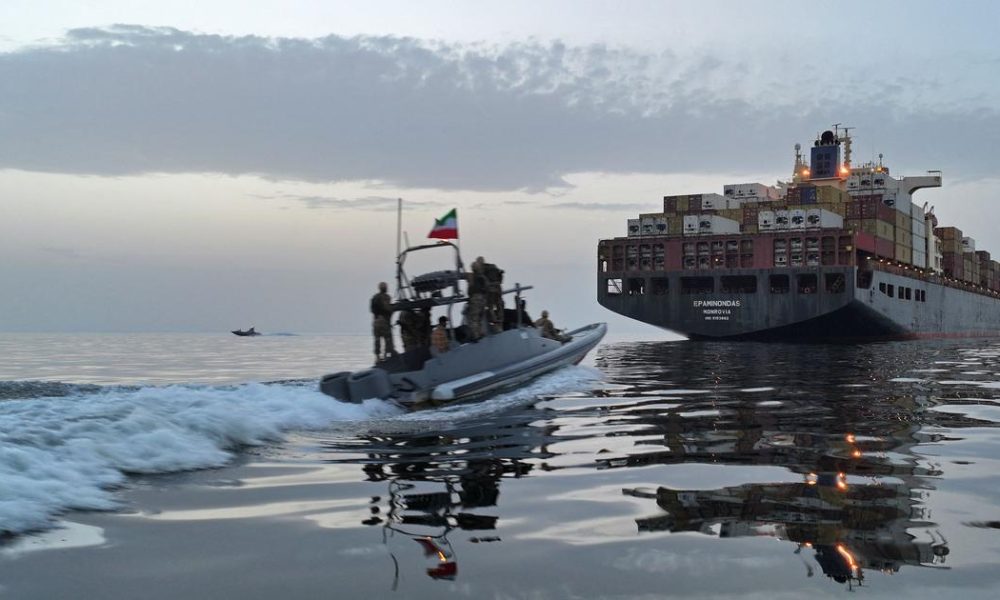
The ongoing conflict surrounding the Strait of Hormuz has escalated into a significant humanitarian crisis, as the United Nations’ International Maritime Organization (IMO) raises alarms about the precarious situation faced by seafarers in the region. Currently, an estimated 20,000 crew members are stranded aboard approximately 2,000 vessels, caught in a perilous environment that combines physical threats with severe psychological stress.
These seafarers are enduring daily dangers, from the risk of missile strikes to the threat of falling debris. With nearby ports deemed unsafe, they find themselves unable to seek refuge, forcing them to remain aboard their ships while supplies dwindle. As their food and water reserves reach critical levels, many are left with no choice but to ration their provisions. Charitable organizations, like Mission to Seafarers, are stepping in to provide essential supplies, but their efforts come with significant risks to their own safety.
The persistence of this crisis raises concerns about the welfare of the seafarers, as many are nearing the end of their contracts. The lack of secure conditions means they could continue working without pay, effectively trapping them in a dangerous limbo. Reports have surfaced of desperate individuals falling prey to scammers who promise safe passage through the strait in exchange for cryptocurrency, highlighting the vulnerabilities these workers face.
While the current situation is alarming, it is essential to recognize that seafarers often contend with dire working conditions even in more stable times. Factors such as geopolitical tensions, fluctuating trade cycles, and financial insecurity routinely plague their profession. Many face job uncertainty, physical and mental health risks, extended isolation, excessive workloads, and limited opportunities for career advancement. The fatigue and sleep deprivation that result from these pressures can have long-lasting effects, compounding the already challenging nature of their work.
As the world watches the developments in the Strait of Hormuz, it is vital to advocate for the protection and well-being of seafarers, who play a crucial role in global trade and economic stability. Their plight serves as a stark reminder of the human cost associated with geopolitical conflicts, emphasizing the need for immediate action to address the underlying issues and improve conditions for those who risk their lives at sea.
Source: scroll.in







No Comment! Be the first one.