

Reassessing Democracy: The Need for Citizen Empowerment Beyond Elections in India
The essence of Indian democracy is often obscured by the limited nature of citizen involvement. Every five years, the electorate experiences a fleeting moment of sovereignty, as political parties vie...

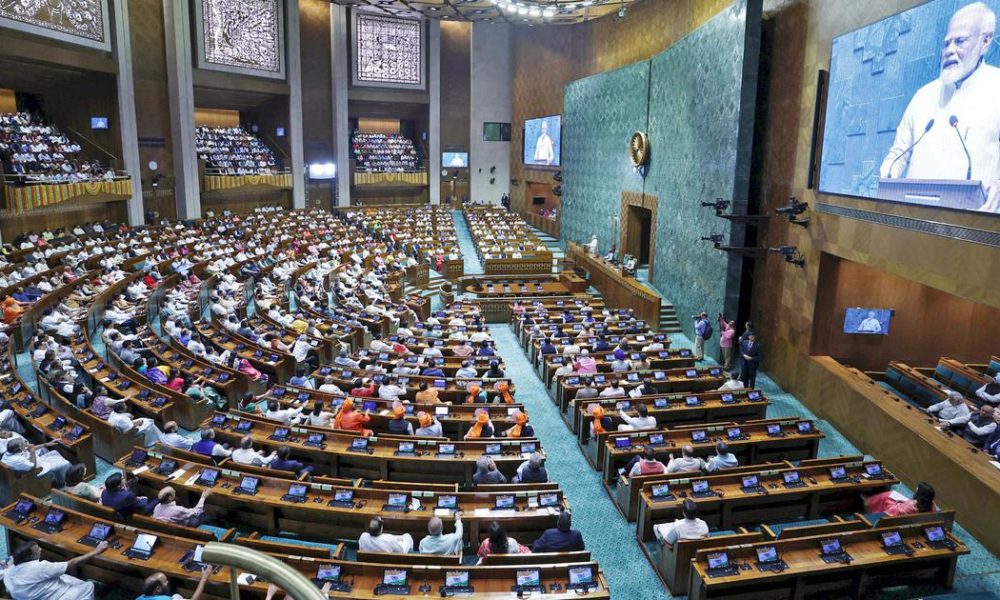
The essence of Indian democracy is often obscured by the limited nature of citizen involvement. Every five years, the electorate experiences a fleeting moment of sovereignty, as political parties vie for votes with promises, hope, and the fervor of democratic ideals. This brief period of engagement allows citizens to feel valued and empowered, yet as soon as the elections conclude, this sense of agency evaporates. The reality sets in: once the votes are tallied and representatives are declared, the ordinary citizen is relegated to the role of a passive subject for the next five years.
During this time, elected officials wield significant authority to make decisions that affect all facets of life, including taxation, education, healthcare, and infrastructure. Alarmingly, there is a glaring absence of continuous accountability or channels for citizen participation between elections. This situation unveils a stark truth about the political landscape: what is often celebrated as a vibrant democracy may, in fact, resemble an elective oligarchy, where power is transferred to a select political class that operates largely without oversight.
The act of voting, while fundamental, has become both the beginning and the endpoint of democratic engagement. In many cases, votes are influenced by external factors such as financial incentives, communal tensions, and caste affiliations. A report from the Centre for Media Studies estimated that political parties and candidates invested approximately Rs 100,000 crore in the upcoming 2024 Lok Sabha elections, highlighting the troubling intertwining of money and politics that complicates true democratic participation.
This situation calls into question the effectiveness of the current democratic framework, as citizens are not equipped with ongoing rights to engage in governance. This absence of institutional mechanisms for continuous participation fosters a disconnect between elected officials and the electorate, leading to decisions that may not reflect the will or needs of the people.
In light of these challenges, voices like that of Anand Teltumbde urge a reevaluation of how democracy functions in India. Instead of merely increasing the number of representatives, the focus should shift toward fostering a political environment where citizens have a more substantial say in governance. Empowering citizens beyond the ballot box is crucial for nurturing a democracy that truly reflects the diversity and richness of Indian society.
Source: scroll.in



No Comment! Be the first one.