

Navigating Election Integrity: The Challenges of India’s Model Code of Conduct
In a vibrant democracy like India, ensuring free and fair elections presents unique challenges, particularly in a multi-party system where a single party tends to dominate governmental control. The...

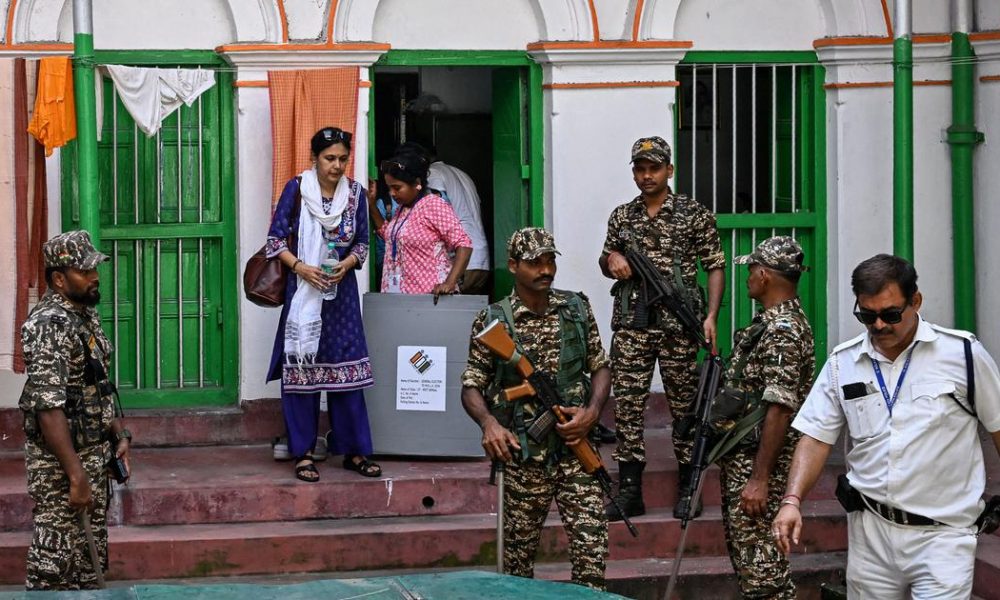
In a vibrant democracy like India, ensuring free and fair elections presents unique challenges, particularly in a multi-party system where a single party tends to dominate governmental control. The question arises: how can a nation uphold democratic values while preventing divisive election tactics from undermining social harmony? India’s solution has been the implementation of a model code of conduct, a framework designed to regulate the conduct of political parties and candidates during elections.
The model code of conduct, primarily established under the leadership of former Election Commissioner TN Seshan in the early 1990s, has served as a crucial tool for maintaining electoral integrity. When elections approach, the government is required to relinquish its control over the administrative machinery to the Election Commission, thereby ensuring a level playing field. The code explicitly prohibits campaigning based on communal or caste-based identities, aiming to mitigate hate speech and foster a more equitable electoral environment.
However, recent developments raise concerns about the effectiveness and impartiality of this model code. As the independence of the Election Commission has come under scrutiny, observers note that what was once a balanced mechanism has, in some instances, devolved into a tool of overreach—akin to a form of President’s Rule. In states like West Bengal, the Election Commission’s interventions have included extensive bureaucratic and police transfers, leading to an atmosphere of uncertainty and questions regarding the fairness of the electoral process.
The increasing perception that the model code of conduct is being applied inconsistently has led to accusations of bias. In many cases, critics argue that the rules are enforced selectively, raising concerns about political favoritism. This situation not only threatens the credibility of the election process but also risks exacerbating tensions among various communities, which may further fracture the social fabric during an already contentious period.
As India heads into future elections, the effectiveness of the model code of conduct must be re-evaluated to ensure it fulfills its original purpose—promoting fair play in politics while safeguarding the nation’s democratic ideals. The balance between authority and accountability, especially for the Election Commission, will be pivotal in restoring public faith in the electoral process and preventing the erosion of democratic norms.
Source: scroll.in







No Comment! Be the first one.