

Tracing the Efforts to Revive the Ajanta Caves: A Historical Overview from the 19th Century to Today
The Ajanta Caves, an awe-inspiring collection of rock-cut monuments in Maharashtra, have long captivated the imagination of scholars and travelers alike. Their rediscovery by John Smith during a...

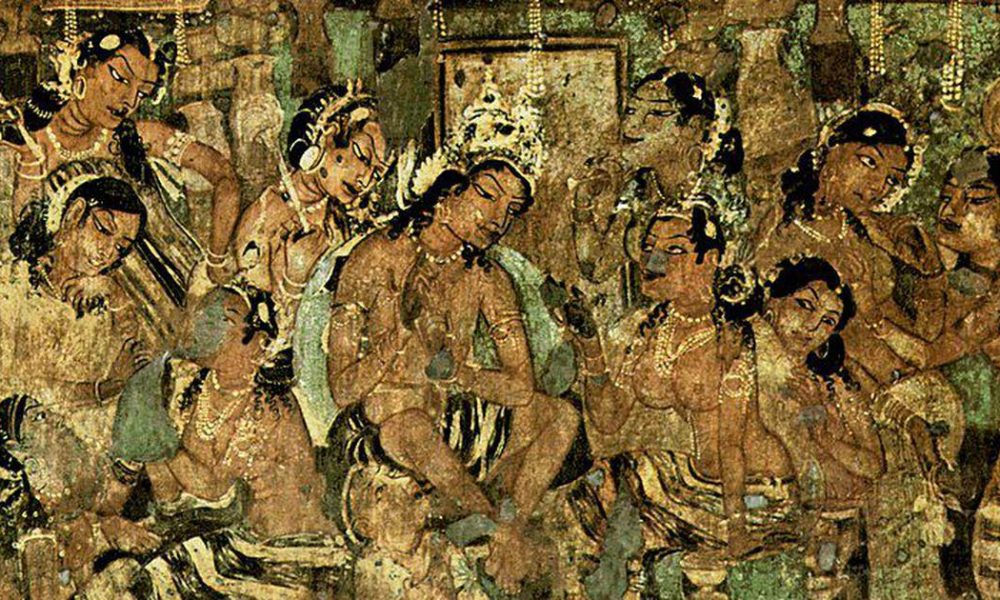
The Ajanta Caves, an awe-inspiring collection of rock-cut monuments in Maharashtra, have long captivated the imagination of scholars and travelers alike. Their rediscovery by John Smith during a tiger hunt in the 19th century not only revived interest among colonial Europeans in India but also sparked a global fascination. This significant finding caught the attention of various scholarly institutions, including the Bombay Literary Society and the Asiatic Society of Bengal, leading to extensive research on the historical and cultural significance of these caves.
As news of the caves’ rediscovery spread, it became apparent that the exquisite murals adorning the cave walls were in peril. The British East India Company, which held sway over vast regions of India at that time, was alerted to the precarious condition of the paintings, raising alarms about the urgent need for funding and preservation efforts. The murals faced threats not only from nature’s ravages but also from vandals and treasure hunters eager to extract valuable artifacts for sale in foreign markets. Recognizing the potential loss, scholars and officials advocated for immediate action to safeguard these priceless cultural treasures.
Interestingly, the initial restoration attempts were not aimed at preserving the original artwork but rather focused on documenting the deteriorating murals for future generations. Funds were allocated, and skilled artists were commissioned to create copies of the paintings. These copies varied in style; some faithfully represented the original murals in their decaying states, while others produced idealized versions. This approach highlighted the urgency of capturing the essence of the art before it succumbed to further decay.
Among the pioneers of these restoration efforts was Major Robert Gill, a soldier and painter associated with the Madras Army. From 1844 onwards, Gill dedicated nearly two decades to the task of documenting the Ajanta murals. His painstaking work not only aimed to preserve the aesthetic qualities of the paintings but also served as an invaluable historical record, providing insight into the artistry and techniques of the ancient craftsmen.
As the years passed, the narrative surrounding the Ajanta Caves evolved. Various initiatives continued to emerge, including conservation programs initiated by the Archaeological Survey of India (ASI) in the 20th century. These programs sought to implement modern preservation techniques while respecting the original artistic integrity of the caves. The ongoing challenges of environmental factors and human interference necessitated a delicate balance between conservation and accessibility for the increasing number of tourists drawn to the site.
In recent times, the significance of the Ajanta Caves extends beyond art and architecture; they serve as a testament to India’s rich historical tapestry. With growing awareness of their cultural importance, efforts to protect and promote the caves have intensified. From educational outreach to sustainable tourism practices, the focus now lies on ensuring that both the murals and their surrounding environment are preserved for future generations to appreciate.
Source: scroll.in







No Comment! Be the first one.