

India’s Role in West Asia: Analyzing Future Strategies Amidst Changing Geopolitical Dynamics
The ongoing conflict in the Gulf region, particularly the tensions surrounding Iran, has sparked discussions regarding the future of geopolitics in West Asia. In light of the US-Israel war on Iran,...

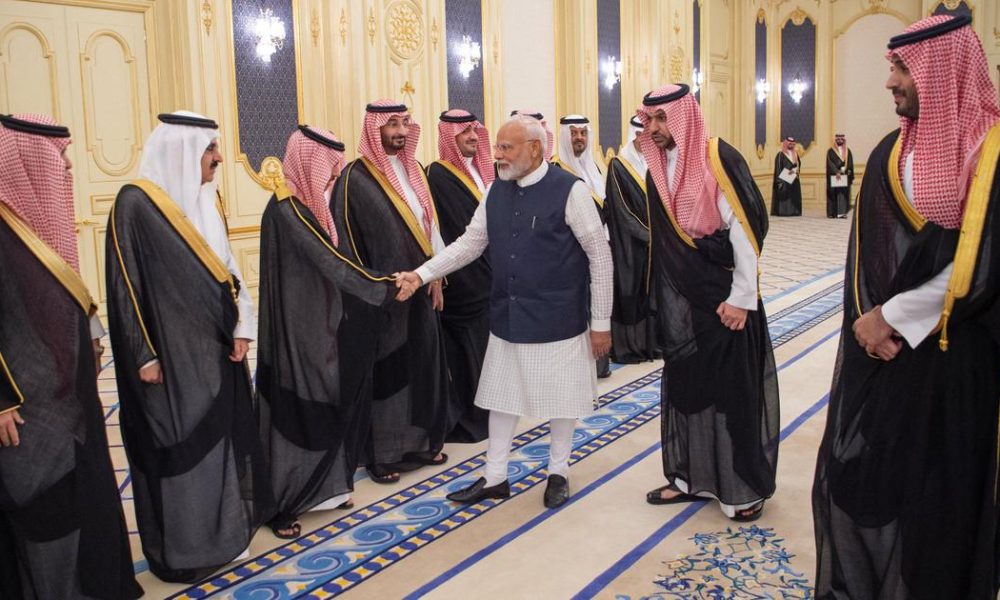
The ongoing conflict in the Gulf region, particularly the tensions surrounding Iran, has sparked discussions regarding the future of geopolitics in West Asia. In light of the US-Israel war on Iran, analysts are contemplating the implications for India’s role in this volatile region. As countries assess their alliances and strategies, it appears that India’s relevance may be waning amidst the shifting geopolitical landscape.
According to Jean-Loup Samaan, a senior research fellow at the Middle East Institute based in Singapore, there is a growing consensus among Gulf states that returning to the pre-war status quo is unlikely. Samaan notes, “The six Gulf nations are not revising their partnerships with the United States anytime soon. They are confronted with a challenging reality: there’s no substitute for American influence, and their own capabilities are insufficient to assert independence in regional security matters.”
This situation raises the question of what role India and other South Asian countries might play in the Gulf’s future. With the absence of a clear alternative to US involvement, Indian policymakers may need to recalibrate their strategies. Although India has historically maintained a presence in the Gulf, the current dynamics suggest that it may need to take a more proactive approach to remain relevant.
Interestingly, the situation has also led to a renewed focus on Pakistan’s role in the region. Despite its limitations, Pakistan is increasingly being considered a player in Gulf politics. Samaan highlights that the geopolitical shifts could create opportunities for Pakistan to assert itself, which might further complicate India’s position in the region. The implications of these developments could be profound, particularly as India seeks to strengthen its ties with Gulf nations amid rising competition.
As countries navigate the aftermath of the current conflict, the long-term ramifications for India will depend on its ability to adapt to these changing dynamics. Engaging in meaningful dialogue and forging strategic partnerships with Gulf states could enhance India’s standing and influence in West Asia. Ultimately, the evolving landscape presents both challenges and opportunities as India recalibrates its approach to a region that remains critical for its economic and security interests.
Source: scroll.in







No Comment! Be the first one.