

Supreme Court Hears Muslim Board’s Stance on Women’s Access to Mosques
The All India Muslim Personal Law Board (AIMPLB) recently addressed the Supreme Court, asserting that there is no prohibition in Islam against women attending mosques. However, they clarified that...

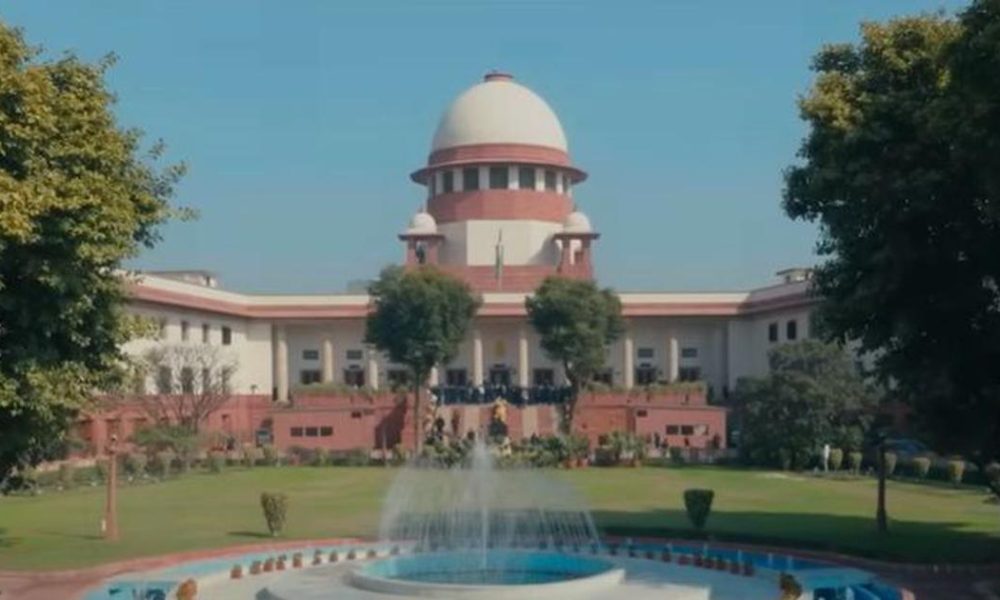
The All India Muslim Personal Law Board (AIMPLB) recently addressed the Supreme Court, asserting that there is no prohibition in Islam against women attending mosques. However, they clarified that women should not enter through the main entrance or seek to eliminate the physical separation from men within the mosque premises.
This discussion forms part of a larger legal examination concerning women’s rights to enter places of worship, highlighted in a case linked to the Kerala Sabarimala temple. The Supreme Court’s deliberation is building upon a pivotal judgment delivered by a five-judge Constitution bench in September 2018, which ruled against the ban on women of menstruating age from entering the Ayyappa temple in Sabarimala. This landmark decision has since prompted various petitions asserting women’s rights across different religious sites, including mosques.
During the ongoing hearings, the Supreme Court’s nine-judge bench, led by Chief Justice Surya Kant, is tasked with grappling with fundamental questions surrounding the right to practice religion. The AIMPLB’s advocate, MR Shamshad, highlighted these issues in response to petitions advocating for women’s entry into mosques and their participation in communal prayers.
While the board maintains that women can visit mosques, the stipulation regarding entry through alternate doors and the presence of barriers remains a point of contention. This reflects ongoing debates in Indian society over gender roles in religious practices. The AIMPLB’s stance could influence future rulings, potentially setting precedents for how women are treated in various places of worship.
As the hearings progress, the implications of these discussions extend beyond religious doctrine, touching on broader themes of equality, personal rights, and the intersection of tradition with modernity in India. The Supreme Court’s final decision will likely resonate across the country, shaping the landscape of women’s rights within the context of religious freedoms.
Source: scroll.in







No Comment! Be the first one.