

Bombay High Court Dismisses Charges Against Four Accused in 2006 Malegaon Blast Case
In a significant development, the Bombay High Court has overturned a special court’s order that had initiated charges against four individuals in relation to the infamous 2006 Malegaon blasts....

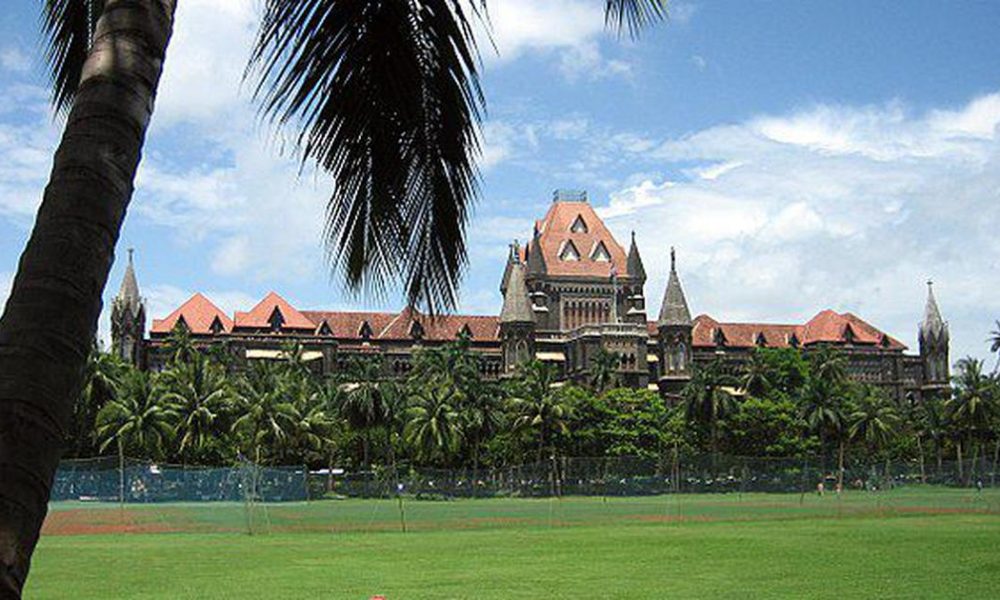
In a significant development, the Bombay High Court has overturned a special court’s order that had initiated charges against four individuals in relation to the infamous 2006 Malegaon blasts. This ruling, delivered on Wednesday, comes as a major relief for the four accused, who were the last remaining individuals facing legal proceedings in the case.
The special court had previously directed that charges be framed against Manohar Narwaria, Rajendra Chaudhary, Dhan Singh, and Lokesh Sharma, accusing them of murder and conspiracy under the Indian Penal Code, as well as violations of the Unlawful Activities Prevention Act. However, the High Court has now granted their appeals, effectively quashing the charges laid upon them.
The tragic blasts occurred on September 8, 2006, near a mosque and a cemetery in Malegaon, Maharashtra, claiming the lives of 31 people and injuring over 300 others. Initially, the state’s Anti-Terrorism Squad arrested nine Muslim men in connection with these attacks. However, the narrative shifted when the Central Bureau of Investigation (CBI), which took over the case in 2017, named these individuals as suspects.
The investigation took another turn when the National Investigation Agency (NIA) entered the fray in 2011, declaring that the arrested Muslim suspects were innocent. The NIA’s findings pointed towards individuals associated with Hindutva organizations as the true perpetrators of the blasts. This shift in the prosecution’s stance was significantly influenced by a statement from Aseemanand, a key figure implicated in various other cases, who suggested that the blasts were carried out by right-wing extremists.
This latest court ruling has reignited discussions surrounding the Malegaon blasts and the complex web of accusations that followed, reflecting concerns over misuse of anti-terror laws and the impact of communal politics on justice in India. Many observers view the judgment as a critical reminder of the need for a fair and impartial investigation, particularly in cases that have been marred by allegations of bias and communalism. As the legal battles continue, the case remains a pivotal moment in India’s ongoing struggle with terrorism, communal tensions, and the quest for justice.
Source: scroll.in







No Comment! Be the first one.