

The Overlooked Crisis: Debating India’s Doctor Shortage and Public Health Neglect
As India grapples with its healthcare challenges, the narrative surrounding a purported shortage of doctors has become a focal point in discussions about medical education and public health policy....

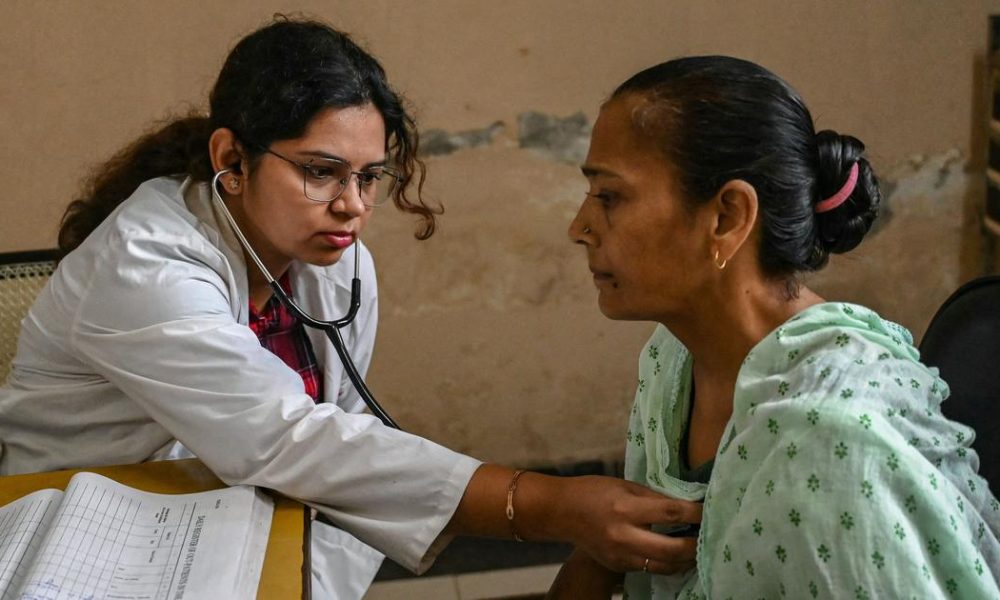
As India grapples with its healthcare challenges, the narrative surrounding a purported shortage of doctors has become a focal point in discussions about medical education and public health policy. While the government has significantly increased the number of medical colleges in recent years, the foundations of this surge seem to rest on a flawed premise: a non-existent recommendation from the World Health Organization (WHO) advocating for an ideal doctor-to-population ratio of 1:1,000.
This fabricated guideline has been adopted by Indian policymakers for over a decade, leading to a continual push for higher medical college enrollments and a growing number of allopathic practitioners. However, despite these efforts, many experts still assert that India is in the midst of a persistent shortage of qualified doctors. This paradox raises questions about the underlying assumptions driving healthcare policy in the country.
Historically, the discourse surrounding India’s healthcare system has seen a notable shift. In the early 2000s, experts from institutions like AIIMS confidently claimed that the doctor-population ratio had already met the country’s needs. A Government report in 2005 echoed this sentiment, stating that the aggregate number of doctors was deemed “not very low.” Yet by 2012, the narrative had dramatically changed, with assertions of an “abysmally low” doctor-population ratio taking center stage in public health discussions.
Amidst these conflicting statements, one must consider the broader context of healthcare in India. Despite the increasing number of medical practitioners, the country still lags behind global averages in various health indicators, including maternal and infant mortality rates, access to healthcare, and the prevalence of diseases. The glaring health disparities, particularly among marginalized communities, suggest that merely increasing the number of doctors does not address the root causes of India’s public health crisis.
Instead of focusing solely on doctor shortages, a more holistic approach is necessary. Policymakers need to consider improvements to healthcare accessibility, infrastructure, and quality, which will ultimately contribute to better health outcomes for the population. The narrative around the doctor shortage must evolve to incorporate these critical elements of public health, ensuring that the health needs of all Indians are met effectively.
Source: scroll.in







No Comment! Be the first one.