

Supreme Court Denies Pawan Khera’s Plea for Bail in Assam Defamation Case
The Supreme Court of India has recently dismissed Congress leader Pawan Khera’s request to lift a stay on a transit anticipatory bail order issued by the Telangana High Court. This decision...

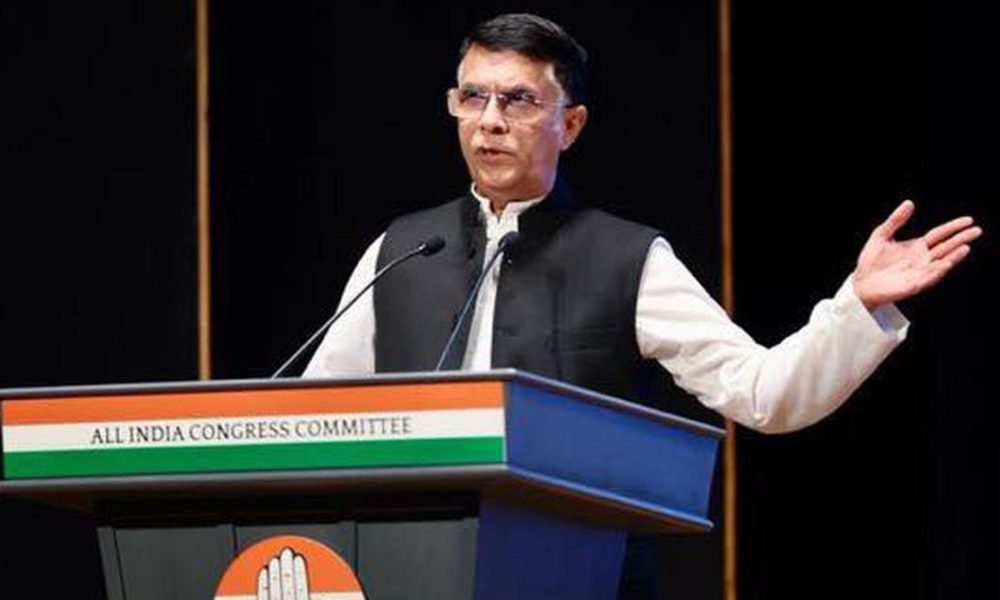
The Supreme Court of India has recently dismissed Congress leader Pawan Khera’s request to lift a stay on a transit anticipatory bail order issued by the Telangana High Court. This decision came as Khera faces serious charges, including defamation and criminal conspiracy, filed against him by Riniki Bhuyan Sarma, the wife of Assam Chief Minister Himanta Biswa Sarma.
On Friday, a bench consisting of Justices JK Maheshwari and Atul S Chandurkar ruled that they would not extend Khera’s transit bail, which was originally granted for a week. The court emphasized that the observations made by the High Court, as well as the Supreme Court’s stay order, should not impact the Assam court when considering Khera’s plea for anticipatory bail. Khera is expected to approach the Assam court on April 20, seeking legal relief from the charges.
The case against Khera stems from an incident on April 5, when he alleged that Riniki Bhuyan Sarma held passports from several nations, including the United Arab Emirates, Egypt, and Antigua and Barbuda. Following these claims, the Chief Minister and his wife vehemently denied the allegations, asserting that they were based on fabricated documents. The tensions surrounding this case have highlighted the growing political discord between the ruling Bharatiya Janata Party (BJP) in Assam and the opposition Congress party.
This legal battle occurs against a backdrop of increasing scrutiny and polarization in Indian politics, with both parties using the media to bolster their respective narratives. The accusations made by Khera came during a time of heightened political rivalry, raising questions about the potential impact of such allegations on the public’s perception of political leaders and their integrity.
As Khera prepares for his legal showdown in Assam, the outcome of this case could have significant implications for his political career and the broader landscape of Indian politics, particularly as the country gears up for future elections. The Supreme Court’s decision to not intervene at this stage suggests a cautious approach, allowing the local judicial process to take its course while ensuring that no undue influence is exerted on the Assam court’s proceedings.
Source: scroll.in







No Comment! Be the first one.