

GPS Disruptions Caused by Iran Conflict Impact Delivery Services in Gulf Nations
As tensions rise in the Persian Gulf amidst the ongoing conflict involving the US, Israel, and Iran, the repercussions are being felt far beyond the battlefield. Delivery drivers in cities like Dubai...

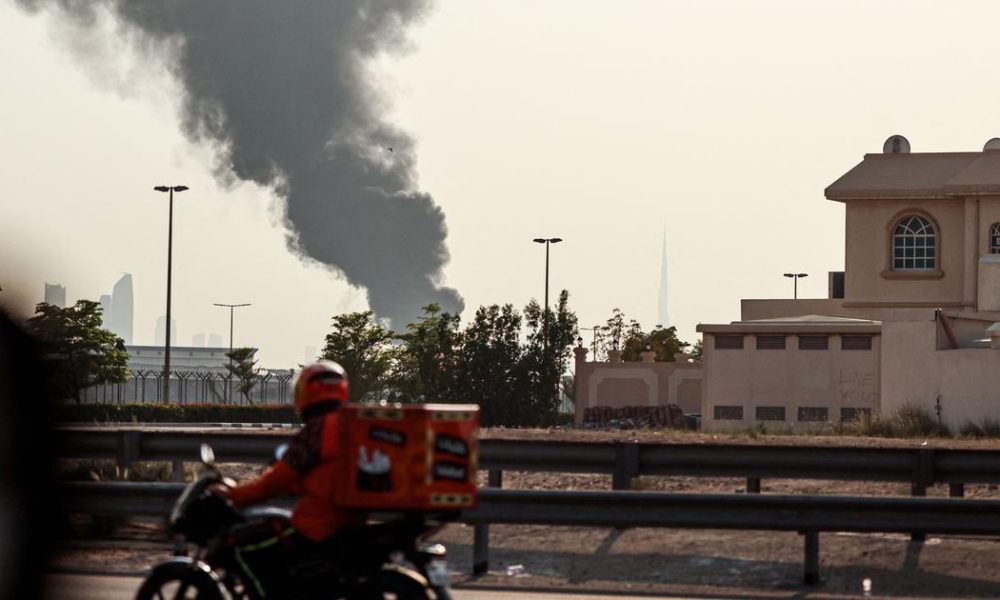
As tensions rise in the Persian Gulf amidst the ongoing conflict involving the US, Israel, and Iran, the repercussions are being felt far beyond the battlefield. Delivery drivers in cities like Dubai are grappling with unexpected disruptions in their navigation systems, which are increasingly influenced by military jamming and spoofing of GPS signals.
One such driver, Saeed Ahmed, a 32-year-old employed by Lulu Hypermarket, recently faced a bewildering situation while navigating Al Asayel Street. Despite following the blue line on his GPS app, the route inexplicably changed, rendering the street invisible on his map. A quick phone call to the customer confirmed that the address was indeed accurate, but the navigation system had failed him.
Such experiences have become commonplace for gig economy workers in the region. As the conflict continues, military forces are utilizing advanced electronic systems designed to interfere with Global Navigation Satellite System (GNSS) signals, particularly GPS. These measures are primarily aimed at countering drone and missile threats, but they inadvertently affect civilian navigation as well, causing significant disruption to the daily lives of countless individuals who depend on accurate mapping.
The implications of GPS jamming extend far beyond the realm of delivery services. Maritime intelligence firm Windward has reported that these disruptions also impact shipping routes, potentially jeopardizing trade and commerce in an already volatile region. With the maritime and aerial transport sectors heavily reliant on precise navigation, the interference poses a serious risk to logistics and supply chains, leading to delays and increased costs.
As the situation evolves, experts are urging for greater awareness of these technological challenges. The impact of military technology on civilian life serves as a stark reminder of how geopolitical tensions can ripple through everyday experiences—illustrating the need for robust systems that can withstand such disruptions. In an interconnected world, the consequences of conflict can reach far beyond immediate military objectives, affecting countless lives and livelihoods.
Source: scroll.in







No Comment! Be the first one.